
Truck Accident Lawyer Serving Texas

A truck collision can leave you injured while the driver, carrier, and insurers dispute responsibility. At Injury Attorney Near Me, PLLC, based in Houston and serving Texas, we investigate the collision, preserve evidence, identify responsible parties and coverage, and pursue compensation for documented injury-related losses.

  • Motor Vehicle and
    Roadway Accidents
  • Transportation and
    Recreation Accidents
  • Premises, Property, and
    Institutional Injuries
  • Defective Products, Drugs,
    and Toxic Exposure
  • Severe Injury and
    Wrongful Death
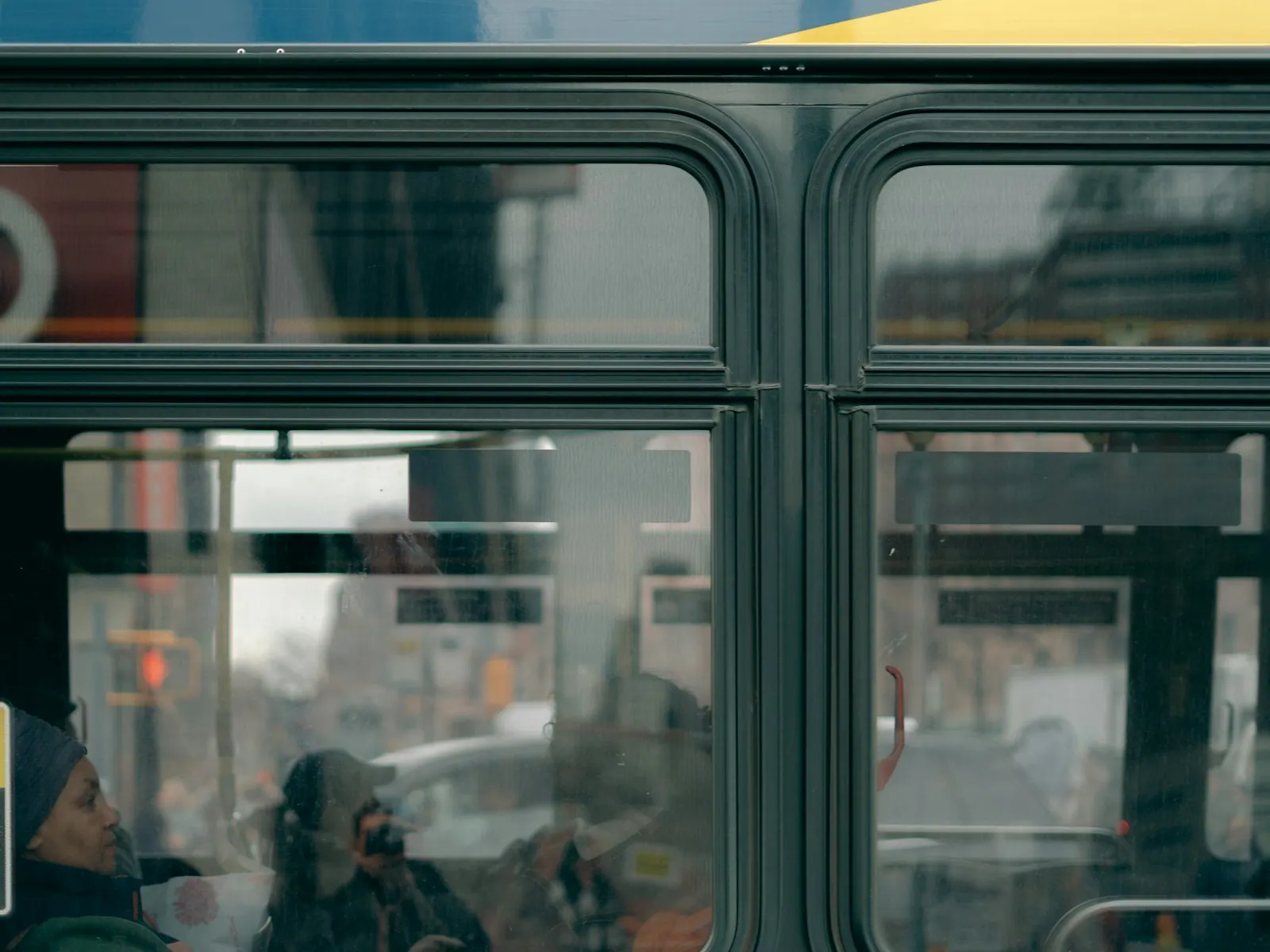
Transit bus operating on a city street

Motor Vehicle and Roadway Accidents in Texas

Representation for Truck Accidents

We investigate truck collisions across Texas, identify potentially responsible parties, and pursue claims grounded in evidence of fault and injury-related loss.

Cars moving through a signalized urban intersection

Early evidence protection

Keep the collision from becoming only competing accounts

After a collision, the truck may return to service while electronic information and scene evidence become harder to obtain. We work to preserve relevant vehicle data, photographs, and carrier records before those gaps limit the investigation. If the driver says traffic stopped unexpectedly, braking data and vehicle positions may help test that explanation. The findings guide whether the claim centers on driving conduct, equipment problems, or another contributing cause.

Case records and a pen arranged on a desk for review

Responsibility and coverage

Look beyond the driver to the decisions behind the trip

The company name on a trailer may not identify everyone responsible for the truck's operation. We examine who employed or directed the driver, owned the equipment, handled maintenance, and controlled loading. If cargo shifted during a turn, loading materials and dispatch communications may reveal who made relevant decisions. Establishing those relationships helps us identify potential claims and insurance without assuming every business connected to the shipment shares responsibility.

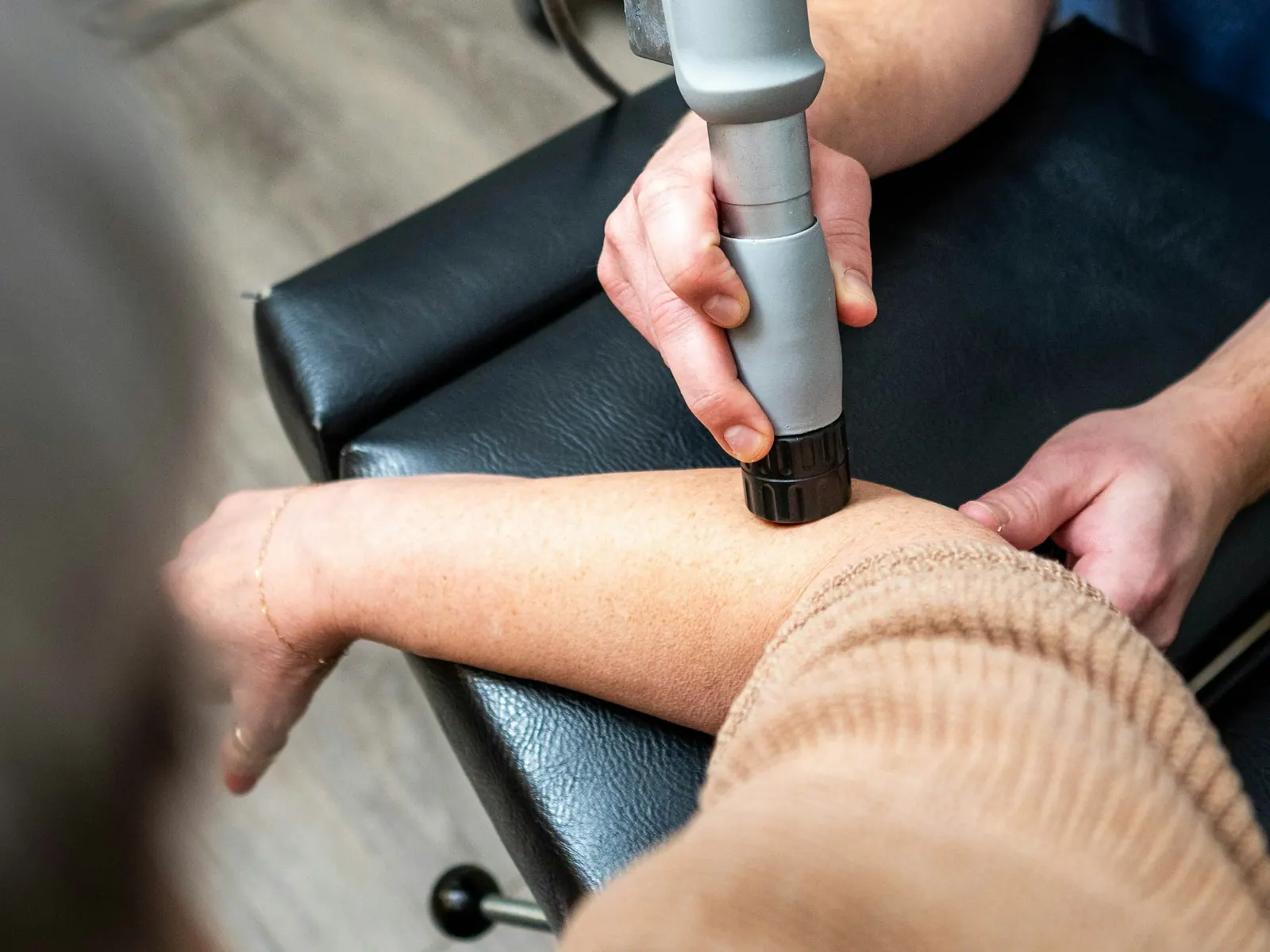
Clinical rehabilitation treatment applied to a patient’s arm

Losses and resolution

Build the claim around the injury's documented effects

A truck injury can interrupt work and create expenses that are not fully reflected in the first medical bill. We use medical documentation, earnings information, and evidence of daily limitations to connect claimed losses to the collision. When an insurer disputes whether missed work resulted from the injury, documented restrictions and job duties become important. We evaluate offers against that evidence and pursue a resolution suited to the supported claim.

InvestigatingYour Claim

Truck claims require more than identifying a large vehicle: we test how driving, equipment, cargo, and business decisions contributed to the collision.

Cars moving through a signalized urban intersection

Driver activity and dispatch pressure

If fatigue or distraction may have contributed, we compare duty records, electronic data, and dispatch communications with the collision timeline. Driver qualification records may also reveal issues relevant to assignment or supervision. We look for a connection between the documented activity and the disputed maneuver, rather than assuming a paperwork problem caused the injury. That distinction helps determine whether to pursue driver conduct, carrier decisions, or both.

Transit bus operating on a city street

Mechanical condition and loading

A claim involving failed braking or unstable cargo calls for a different investigation than a simple lane-change dispute. We examine inspection and maintenance records, relevant components, and cargo materials to test the alleged failure. The timing of repairs or loading can distinguish an operator's decision from a maintenance provider's or shipper's involvement. Those findings help identify responsible parties while avoiding unsupported claims against everyone associated with the truck.

Case records and a pen arranged on a desk for review

Business relationships and insurance disputes

When a carrier, vehicle owner, broker, or shipper disputes responsibility, we examine agreements and communications showing who controlled the relevant work. We also identify potentially applicable insurance and evaluate coverage objections. A participant's business label does not answer whether its conduct contributed to the collision. Understanding both operational responsibility and coverage helps us decide whom to pursue and how to address competing positions during negotiations.

Clinical rehabilitation treatment applied to a patient’s arm

Collision mechanics and claimed losses

If an insurer disputes the impact or its connection to the claimed injuries, we compare scene evidence and vehicle movement with medical documentation. Road configuration, visibility, and surface conditions may help explain the sequence without excusing unsafe conduct. We then examine whether medical expenses, lost earnings, and documented limitations are supported. This combined assessment helps us evaluate an offer without relying solely on vehicle damage or the insurer's characterization.

Texas injury law is fact-specific, and a federal rule or another state's law may also apply. This page provides general information, not legal advice or a conclusion about any claim.

Terms You May Hear

Texas Truck Accidents Terms

These terms explain issues we examine when building a truck-accident claim.

Cars moving through a signalized urban intersection

Records of driving time, work activity, and rest periods can help test a fatigue concern. We compare them with trip information rather than treating a record discrepancy alone as proof of the collision's cause.

Motor carrier

The business responsible for operating a commercial truck may make decisions about drivers, schedules, and equipment. We examine its actual role because the name displayed on the vehicle alone may not resolve responsibility.

Electronic vehicle data

Information stored by truck systems may show speed, braking, or other vehicle activity. Its availability and meaning depend on the equipment, so we assess what it can reliably establish about disputed movements.

Cargo securement

Loading and securement concerns involve how freight was positioned and held in place. If shifting freight affected control, we investigate the loading decisions and responsible participants before deciding which claims the evidence supports.

Insurance coverage

Coverage describes whether an insurance policy applies to a particular party and event. We examine relevant policies and disputed terms because an insurer's involvement does not itself establish available payment or resolve fault.

Settlement release

A release is an agreement that may end specified claims in exchange for payment. We evaluate its scope alongside the offer because settling with one participant can affect the remaining claim strategy.

How WePursue Your Claim

Our work moves from protecting evidence to evaluating responsibility, losses, and the available path toward resolution.

Discuss Your Situation
  1. Review the collision and immediate concerns

    We discuss the truck's movements, your documented injuries, and any disputed account of the impact. That initial review helps identify urgent evidence concerns and the questions that need investigation before we assess a claim strategy.

  2. Seek preservation of relevant evidence

    We identify truck data, dispatch files, duty records, and physical evidence that may be lost or changed. Preservation efforts focus on the suspected collision mechanism so the investigation retains information needed to test responsibility.

  3. Investigate the cause

    We compare scene evidence with driving, inspection, maintenance, or cargo records as the facts require. If accounts conflict, we examine which evidence supports each explanation and whether additional technical analysis would clarify the disputed cause.

  4. Identify parties and available coverage

    We trace ownership, operating relationships, and relevant contractor roles, then examine potentially applicable insurance. This work helps separate parties connected only to the shipment from those whose decisions may support a claim for your injuries.

  5. Document the injury-related losses

    We connect medical records and earnings information with the effects claimed from the collision. Where work limitations or future expenses are disputed, we seek supporting documentation that allows a meaningful evaluation rather than an unsupported estimate.

  6. Evaluate offers and pursue resolution

    We assess settlement proposals against responsibility evidence, documented losses, coverage issues, and release terms. We discuss unresolved disputes with you, review applicable deadlines, and pursue negotiation or litigation when warranted by the claim.

One injury can raise more than one legal question.

A truck collision may also involve a passenger vehicle, motorcycle, pedestrian, or fatal injury. We examine those related claim issues within the same investigation rather than treating each impact in isolation.

Explore Practice Areas

WhyInjury Attorney Near Me

Injury Attorney Near Me, PLLC is based in Houston and serves injured clients throughout Texas. We offer consultations to discuss truck collisions, disputed responsibility, and documented losses. Call (833) 700-6660 to discuss your situation; representation requires an agreement.

Focused On

Truck Accidents

Injury Attorney Near Me, PLLC is based in Houston and serves injury clients throughout Texas.

Investigation tied to responsibility

When a truck collision involves disputed braking, cargo movement, or equipment failure, we connect physical evidence with operational records. That work helps distinguish driver conduct from carrier or contractor decisions and directs the claim toward parties whose actions contributed to the injury.

Offers measured against documented losses

An offer may account for initial bills but overlook documented work restrictions or continuing injury-related expenses. We compare the proposed payment with the supported losses and unresolved evidence, helping you assess whether negotiation or further pursuit of the claim is warranted.

Truck AccidentsQuestions

These practical issues can change how we investigate and pursue a truck-accident claim.

Contact the Firm
Can you review my claim if I live in one county but the collision happened elsewhere?

Yes. We serve clients throughout Texas, and your home county need not match the collision location. We examine where the incident occurred and the parties' connections to determine how those facts affect the claim. Residence alone does not determine where a lawsuit belongs.

What if the truck driver received no ticket?

The absence of a ticket does not settle a civil injury claim. We examine the underlying driving evidence and other possible causes, such as equipment condition or loading. A citation decision and an injury claim address different questions, so we assess responsibility independently.

Can you help if I was a passenger rather than a driver?

We can review a passenger's injury claim by examining the conduct of the truck driver and any other involved drivers. If several vehicles contributed, we investigate their separate roles and coverage so the claim is not limited prematurely to one account of the collision.

What if I had a medical condition before the crash?

A prior condition can create a dispute about which losses relate to the collision. We compare relevant earlier records with post-collision medical documentation and reported limitations. That distinction helps us present supported injury effects without attributing every existing health problem to the crash.

Can the claim proceed if the truck never touched my vehicle?

Contact is not the only fact we examine. If a truck's movement allegedly forced an evasive maneuver, video, witness accounts, and vehicle paths may help establish what happened. We assess whether the evidence connects that movement to the collision and resulting injuries.

What if my vehicle was repaired before I contacted you?

Repairs can limit inspection opportunities, but other evidence may remain. We look for repair photographs, damage estimates, scene images, and relevant truck data to reconstruct the disputed impact. We also identify what cannot be confirmed so claim decisions reflect the investigation's actual limits.