
Spinal Cord Injury and Paralysis Lawyer Serving Texas

A spinal cord injury or paralysis can change mobility, income, and the support needed at home. At Injury Attorney Near Me, PLLC, based in Houston and serving Texas, we investigate who caused the harm and pursue claims for documented medical, financial, and long-term losses.

  • Motor Vehicle and
    Roadway Accidents
  • Transportation and
    Recreation Accidents
  • Premises, Property, and
    Institutional Injuries
  • Defective Products, Drugs,
    and Toxic Exposure
  • Severe Injury and
    Wrongful Death
Rehabilitation room with parallel bars and a wheelchair

Severe Injury and Wrongful Death in Texas

Representation for Spinal Cord Injury and Paralysis

We pursue spinal cord injury and paralysis claims across Texas by investigating responsibility, documenting losses, and evaluating paths toward recovery.

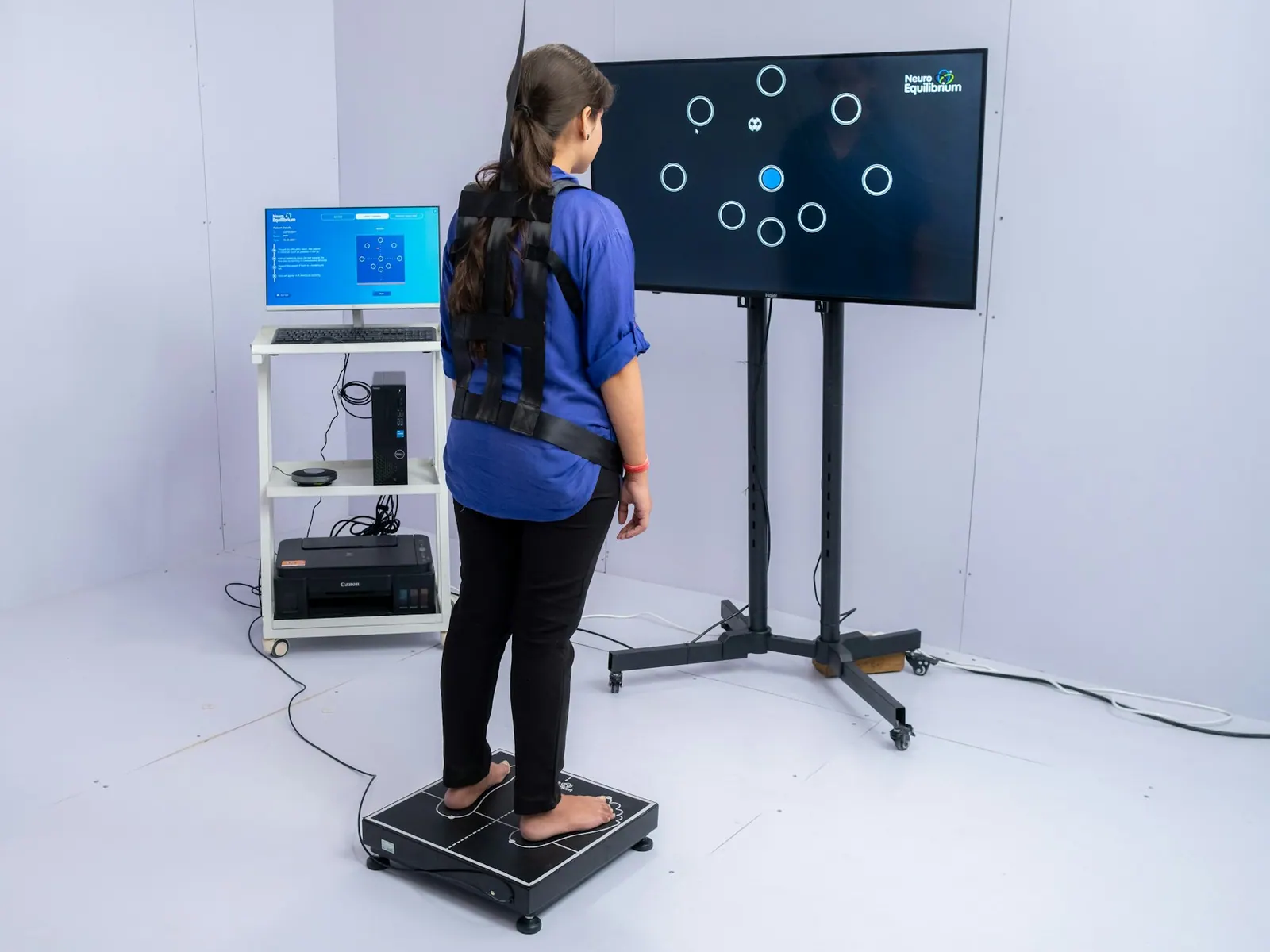
Patient completing a balance and mobility assessment

Establishing responsibility

Identify the conduct behind the injury

A spinal cord injury can follow a vehicle collision, a fall, or another harmful event, but the diagnosis does not identify who bears responsibility. We examine how the event happened and preserve evidence that may distinguish one party’s conduct from another’s. If accounts conflict, physical evidence and witness information can help resolve that conflict. This investigation guides which parties we pursue and whether the available facts support a claim against each one.


Case records and a pen arranged on a desk for review

Understanding the loss

Account for needs beyond acute treatment

Hospital charges may capture only part of the loss when paralysis affects movement, work, or daily activities. We use hospital and specialist records, rehabilitation notes, and equipment evaluations to document medically supported limitations and related expenses. If assistance or accessibility changes are recommended, we examine their purpose and cost rather than assume every proposed expense is recoverable. That distinction helps us build a demand supported by the person’s actual circumstances.

Clinical rehabilitation treatment applied to a patient’s arm

Choosing a path

Evaluate the claim before resolving it

An insurer may acknowledge the event while disputing the extent of the injury or the cost of future support. We evaluate those objections against the evidence and examine available coverage before recommending how to proceed. Where an offer leaves substantial documented losses unaddressed, we explain the gap and available claim options. Our work includes negotiation and pursuing litigation when warranted, with attention to deadlines, disputed responsibility, and the practical limits of recovery.

InvestigatingYour Claim

The strength and practical value of a claim depend on several separate questions, not just the severity of the diagnosis.

Patient completing a balance and mobility assessment

Preserving evidence of the event

If a fall caused the injury, inspection history and incident footage may help establish whether someone knew about the condition. If a collision caused it, vehicle evidence and witness accounts may clarify the sequence of impact. We seek evidence relevant to the actual event before it disappears. Its value lies in testing competing explanations and deciding whether a responsibility allegation can be supported.

Rehabilitation room with parallel bars and a wheelchair

Separating responsible parties from available insurance

Several people or businesses may have roles in an event, but their involvement does not make them equally responsible. We examine ownership, control, work relationships, and conduct, then investigate insurance connected to supported claims. For a workplace injury, we also review whether workers’ compensation coverage exists and whether another party was involved. These distinctions guide which recovery paths deserve pursuit rather than assuming a single insurer will address every loss.

Case records and a pen arranged on a desk for review

Testing future-support assumptions

A proposed equipment budget can be incomplete if it omits replacement or relies on an unsupported recommendation. We compare equipment evaluations, rehabilitation notes, accessibility assessments, and life-care materials to identify supported needs and unexplained assumptions. Where clarification is needed, we seek it from the relevant professionals. This helps determine which future costs belong in the demand and which estimates need stronger evidence before negotiations.

Clinical rehabilitation treatment applied to a patient’s arm

Explaining income and daily-life effects

A person whose job requires lifting or sustained mobility may face losses that a wage statement alone cannot show. We examine employer information, earnings history, and medically documented restrictions, alongside evidence of changes in daily activities. These materials help separate missed income, possible reduced earning capacity, and nonfinancial harm. We use that distinction to evaluate whether an offer addresses the supported consequences rather than merely reimbursing bills.

Texas injury law is fact-specific, and a federal rule or another state's law may also apply. This page provides general information, not legal advice or a conclusion about any claim.

Terms You May Hear

Texas Spinal Cord Injury and Paralysis Terms

These terms help explain how we evaluate a spinal cord injury claim and the losses it may involve.

Patient completing a balance and mobility assessment

The connection between an event and the claimed injury or loss. Medical history, imaging, and specialist explanations may help distinguish new injury effects from earlier limitations when an insurer challenges that connection.

Responsibility

The evidence connecting a party’s conduct to the harmful event. In a spinal cord injury claim, we examine both how the event happened and whether medical evidence links the documented injury to it.

Life-care materials

Materials describing anticipated care, assistance, equipment, and related costs. We evaluate their medical support and assumptions before using them to explain future losses in a spinal cord injury demand.

Reduced earning capacity

The effect of documented limitations on a person’s ability to earn income. This can differ from wages already missed and requires attention to job duties, work history, and supported work restrictions.

Accessibility assessments

Evaluations of changes needed to make a home or other daily environment usable. We connect proposed modifications to documented mobility needs and assess their costs when presenting related injury losses.

Insurance coverage

The policies and terms that may provide payment for a claim. We investigate potentially applicable insurance and disputed coverage without treating a policy’s existence as proof of responsibility or sufficient funds.

How WePursue Your Claim

Our work connects timely investigation with a supported account of the injury’s financial and practical effects.

Discuss Your Situation
  1. Discuss the event and immediate claim concerns

    We begin by learning how the injury occurred, what losses are emerging, and whether anyone has requested a statement or release. That discussion helps identify urgent evidence issues and the questions requiring closer investigation.

  2. Review deadlines and preserve event evidence

    We examine timing and potential notice requirements while seeking relevant footage, witness information, and incident evidence. Early preservation can prevent a dispute about responsibility from turning solely on conflicting memories after useful evidence is lost.

  3. Investigate parties and coverage

    We evaluate who controlled the conditions or conduct involved and investigate potentially applicable policies. If multiple parties played different roles, we assess each separately so the claim strategy reflects evidence rather than broad accusations.

  4. Develop the medical and support-loss evidence

    We review imaging, hospital and specialist records, rehabilitation findings, and supported equipment or accessibility needs. Where costs or recommendations are unclear, we seek clarification to connect the claimed expense with documented injury effects.

  5. Present and evaluate the demand

    We assemble a supported account of responsibility, medical losses, income effects, and future needs. When an insurer responds, we analyze its objections and offer, explaining which losses remain disputed and what further evidence may help.

  6. Pursue the chosen claim path

    We discuss negotiation and litigation options in light of the evidence, available coverage, and unresolved disputes. We pursue the selected path and review proposed resolution terms, including issues that could affect the practical value of settlement.

One injury can raise more than one legal question.

When a spinal cord injury results from a vehicle collision, unsafe property condition, or workplace event, the underlying event also shapes our investigation, insurance review, and choice of claim.

Explore Practice Areas

WhyInjury Attorney Near Me

Injury Attorney Near Me, PLLC is based in Houston and serves injured clients throughout Texas. Call (833) 700-6660 for a consultation about responsibility, documented losses, and claim options. Representation is subject to an agreement; a consultation does not promise acceptance or a result.

Focused On

Spinal Cord Injury and Paralysis

Injury Attorney Near Me, PLLC is based in Houston and serves injury clients throughout Texas.

Connecting responsibility with the full loss

A serious diagnosis alone does not explain who should pay. We investigate the event alongside the medical and financial effects, so decisions about responsible parties and settlement demands rest on both fault evidence and documented losses.

Evaluating offers beyond immediate bills

An offer may address hospitalization while overlooking equipment, accessibility, or reduced earning capacity. We compare proposed payment with supported current and future needs, explain disputed assumptions, and pursue a claim strategy that accounts for those gaps.

Spinal Cord Injuryand ParalysisQuestions

These practical questions often arise before a spinal cord injury claim is resolved.

Contact the Firm
Can we discuss a claim while I am still in rehabilitation?

Yes. A consultation can address the event and available claim options while rehabilitation continues. We distinguish losses already documented from needs still being evaluated, so ongoing assessments do not require us to ignore evidence that may need prompt preservation.

What if I had a spinal condition before the event?

A prior condition requires careful comparison, not an assumption that every current limitation is old or new. We review earlier records alongside post-event findings and seek supporting medical explanations to evaluate what injury effects can fairly be attributed to the event.

Can unpaid help from my family matter to the claim?

It may matter when family assistance responds to documented injury-related needs. We examine the tasks, time involved, and medical support for that assistance, then assess how it fits the claim rather than assuming unpaid help has no relevance or a guaranteed value.

What if I can return to work only in a different role?

Returning to work does not necessarily resolve the income-loss question. We compare duties, hours, pay, and supported restrictions before and after the injury. A changed role may require a separate evaluation of earning capacity rather than only a calculation of missed wages.

Does an injury outside my home county prevent me from contacting you?

No. We are based in Houston and serve clients throughout Texas, including people injured away from home. The event’s location and the parties involved help us evaluate where and how a claim may proceed; residence alone does not answer those questions.

Should I assume a liability settlement will leave my other benefits unchanged?

No. Health coverage, benefit arrangements, or reimbursement claims may affect how a proposed settlement should be evaluated. We identify issues requiring review before resolution and explain their potential effect on the amount available, without assuming every payment carries the same obligations.