Burn Injury Lawyer Serving Texas

A burn injury can leave you facing wound care, missed work, and uncertainty about who is responsible. At Injury Attorney Near Me, PLLC, based in Houston and serving Texas, we investigate the exposure and pursue supported claims. Call (833) 700-6660 for a consultation; representation requires an agreement.

  • Motor Vehicle and
    Roadway Accidents
  • Transportation and
    Recreation Accidents
  • Premises, Property, and
    Institutional Injuries
  • Defective Products, Drugs,
    and Toxic Exposure
  • Severe Injury and
    Wrongful Death
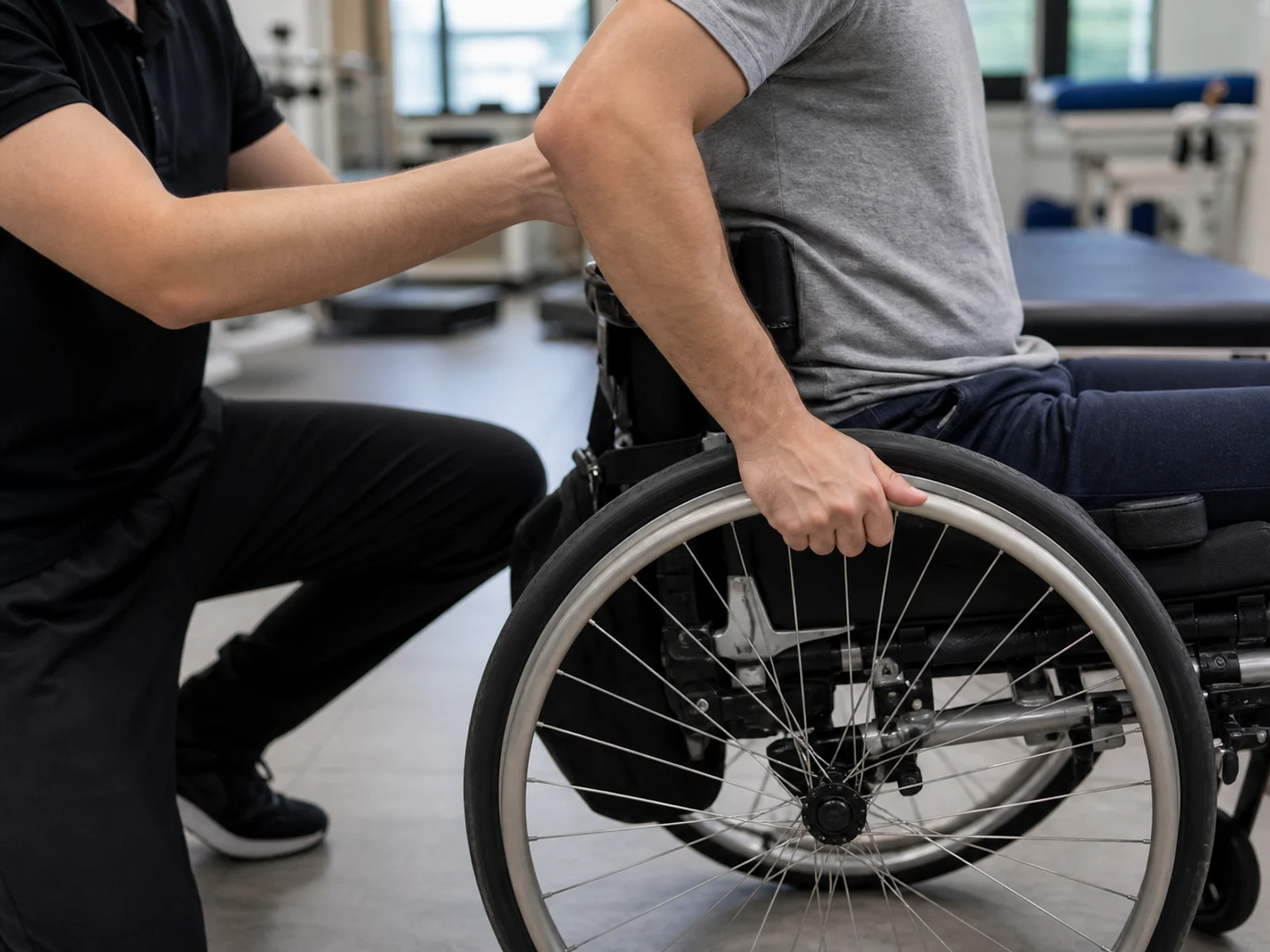
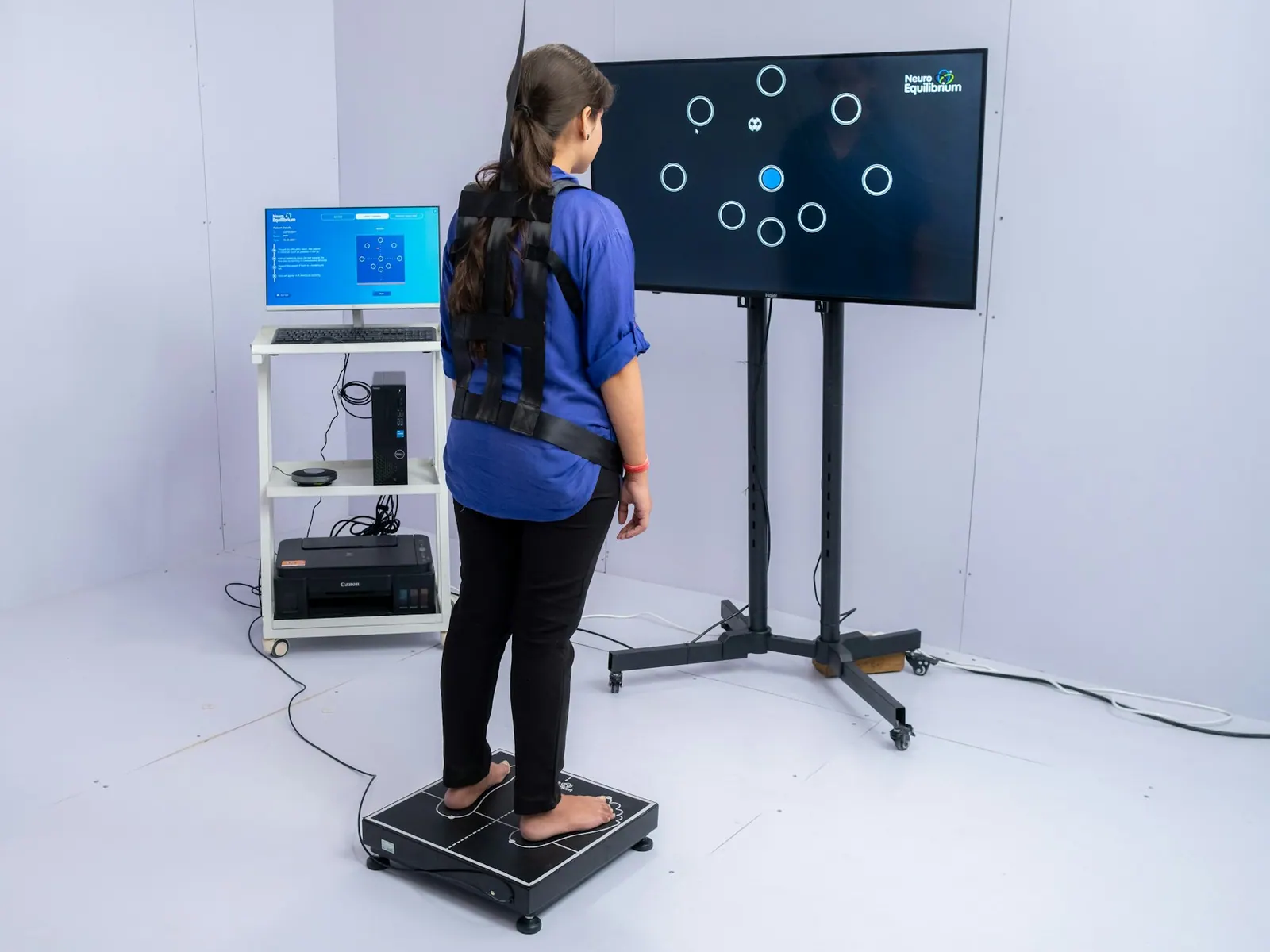
Patient completing a balance and mobility assessment

Severe Injury and Wrongful Death in Texas

Representation for Burn Injuries

We investigate burn injuries by connecting the source of exposure, responsibility for the danger, and the losses that evidence supports.

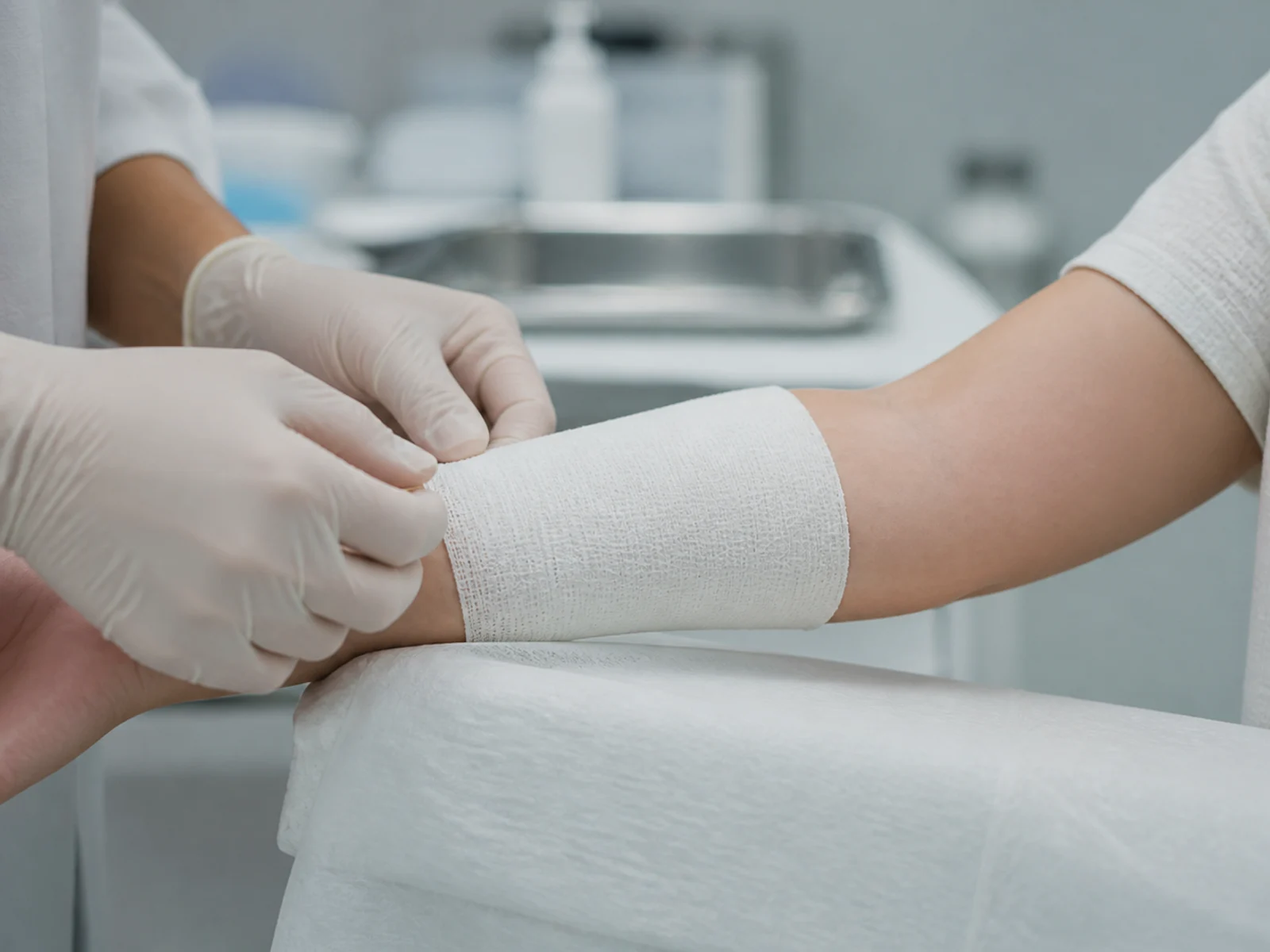
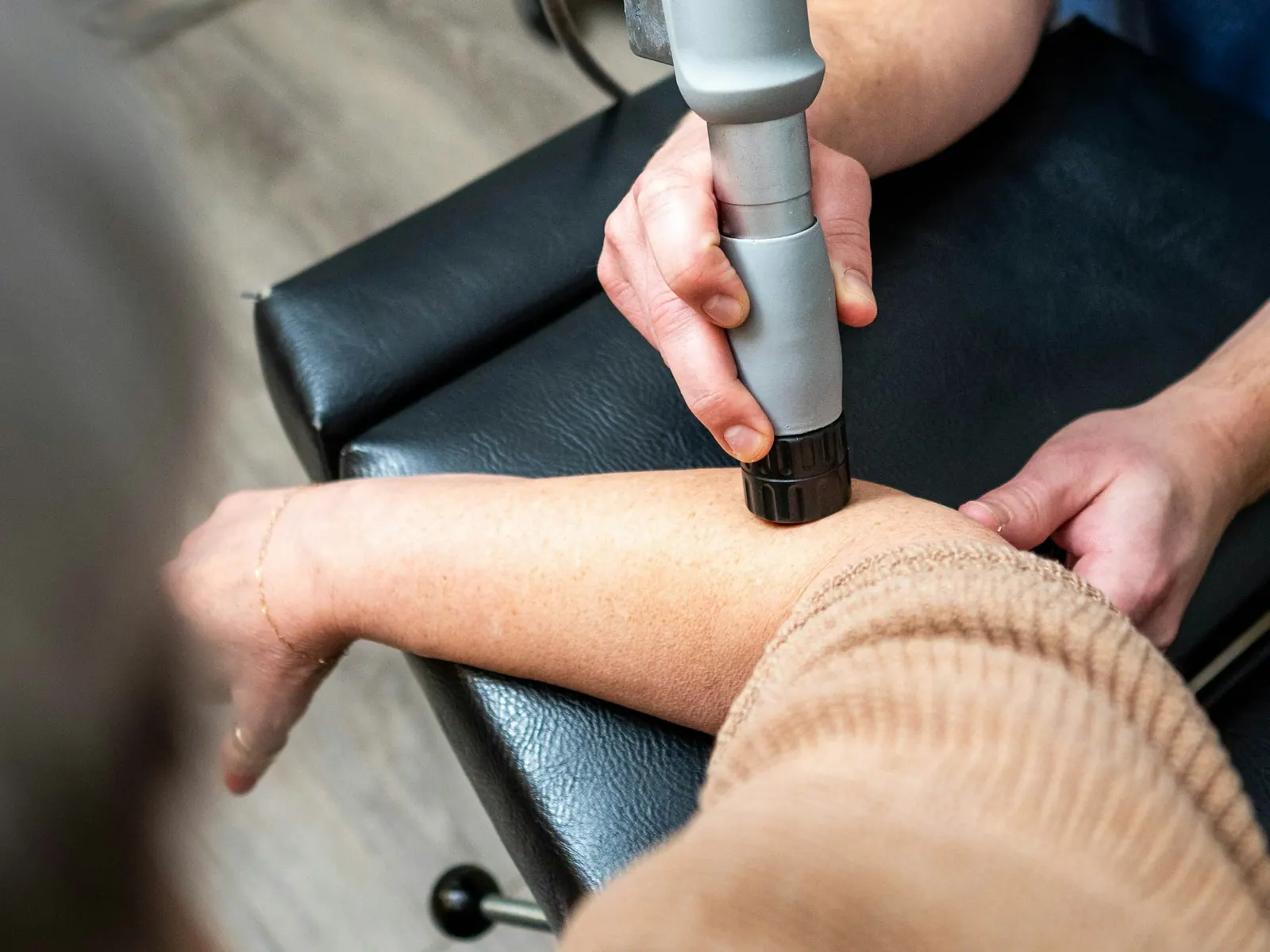
Clinical rehabilitation treatment applied to a patient’s arm

The injury event

Determine what caused the exposure

A flame, hot liquid, chemical, or electrical contact may leave several possible explanations for the same injury. We examine scene evidence, photographs, emergency accounts, and the condition of involved equipment to establish how exposure happened. If a chemical container was mislabeled, for example, the label and contents may point toward a different claim than an unsafe handling procedure. Identifying the mechanism helps us decide which conduct needs investigation and which parties may be responsible.

Case records and a pen arranged on a desk for review

Control and responsibility

Identify who had a duty to act

The person present when a burn occurred may not be the person who controlled the danger. We investigate who maintained the property, selected equipment, supplied a substance, or directed the work. If a contractor created a hazardous condition on someone else’s property, agreements and maintenance records may help separate their responsibilities. That distinction guides whom we pursue and prevents a claim from resting only on ownership or someone’s presence at the scene.

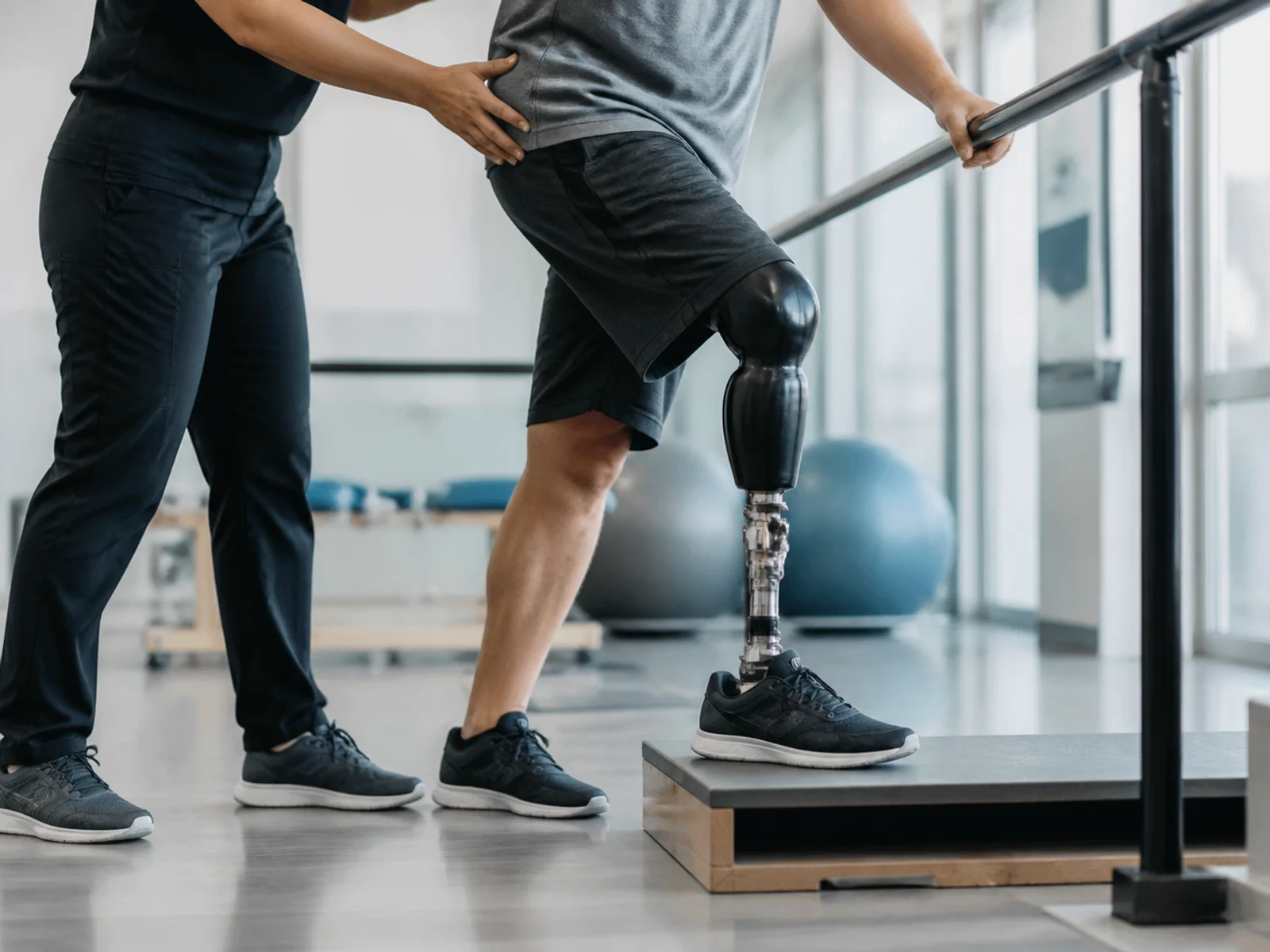
Rehabilitation room with parallel bars and a wheelchair

Documented injury losses

Evaluate the full claim before resolution

A claim must account for more than the emergency visit when later care and work restrictions are documented. We examine operative reports, wound-care notes, rehabilitation assessments, and earnings evidence to evaluate the injury’s financial and daily-life effects. If documented restrictions prevent someone from returning to their prior duties, we investigate the resulting income loss. This helps us assess whether an offer addresses the supported losses or leaves important needs unresolved.

InvestigatingYour Claim

The claim strategy depends on how the danger arose, who controlled it, and what the evidence can establish.

Clinical rehabilitation treatment applied to a patient’s arm

Preserving evidence before conditions change

Cleanup, repairs, or disposal can remove the condition that explains a burn. We work to preserve relevant scene photographs, involved products, emergency records, and available incident evidence. If an electrical component is replaced after an injury, examining the original component may help distinguish a failure inside the product from installation problems. That distinction can determine whether further technical investigation is needed and whom the claim should address.

Patient completing a balance and mobility assessment

Separating overlapping roles

A property controller, equipment supplier, and contractor may each have a different role in an exposure. We examine maintenance responsibilities, work arrangements, and warnings to identify the alleged failure attributable to each. If a contractor used a chemical supplied by another business, the handling practices and labeling may raise separate questions. We use those distinctions to evaluate potential claims without assuming every participant shares responsibility.

Case records and a pen arranged on a desk for review

Identifying coverage and responding to disputes

Insurance may depend on the responsible party, the activity underway, and policy terms. We identify potentially applicable coverage and examine disputes over whether the event falls within it. If a business insurer questions whether a contractor’s work was covered, agreements and the circumstances of the incident may matter. Understanding these issues helps us decide where to direct demands and how coverage disagreements affect a possible resolution.

Rehabilitation room with parallel bars and a wheelchair

Testing whether an offer addresses the losses

An offer based only on early bills may overlook later documented care or reduced earnings. We compare the proposed payment with medical records, rehabilitation assessments, and evidence of missed work or changed duties. Where future needs are supported, we evaluate their basis rather than guessing at recovery. This analysis informs whether to negotiate further or pursue litigation when justified, while accounting for disputed proof and available coverage.

Texas injury law is fact-specific, and a federal rule or another state's law may also apply. This page provides general information, not legal advice or a conclusion about any claim.

Terms You May Hear

Texas Burn Injuries Terms

These terms describe issues we examine when evaluating a burn injury claim.

Clinical rehabilitation treatment applied to a patient’s arm

Authority over the area, equipment, or activity connected to the exposure. We investigate actual control because ownership alone may not explain who could inspect, repair, warn about, or prevent the danger.

Burn source

The heat, flame, chemical, electrical contact, or other mechanism involved in the injury. Establishing the source helps us distinguish an equipment failure from unsafe property conditions or conduct during an activity.

Notice

Evidence that someone knew, or should have discovered, a dangerous condition. Prior complaints or inspection records may affect whether a property-related claim rests on a supported failure to address the risk.

Product defect

A claimed problem with a product’s design, manufacture, or warnings. We examine the specific failure and its connection to the burn; a recall by itself does not resolve responsibility for an individual injury.

Causation

The supported connection between an act or condition and the injury. Scene findings and medical records help us evaluate whether the alleged failure caused the exposure and the losses being claimed.

Damages

Expenses, income losses, and personal effects supported by evidence. In a burn claim, these may include documented wound care, rehabilitation needs, scarring effects, and limitations that interfere with work or daily activities.

How WePursue Your Claim

Our work moves from preserving the event evidence to choosing how to pursue a supported claim.

Discuss Your Situation
  1. Discuss the event and immediate concerns

    We begin by learning how the exposure occurred and what responsibility is already disputed. That discussion helps identify urgent evidence risks and whether the circumstances warrant further investigation, rather than assuming the severity of the burn proves a claim.

  2. Preserve the relevant physical evidence

    We identify evidence at risk of alteration, such as a damaged appliance, chemical packaging, or the scene condition. Preservation efforts focus on material that could explain the exposure and allow meaningful evaluation of competing accounts.

  3. Investigate control and conduct

    We examine who operated, maintained, supplied, or supervised the source of the danger. Relevant agreements, inspections, and incident accounts help us distinguish an actionable failure from involvement that does not support responsibility.

  4. Review injury and earnings evidence

    We connect emergency records and later treatment documentation with claimed expenses and limitations. Employment evidence helps test lost-income claims, while medically documented restrictions guide evaluation of effects that a bill total alone would miss.

  5. Evaluate coverage and present the claim

    We identify the parties and insurers to approach, then develop a claim grounded in responsibility and supported losses. If coverage or causation is challenged, we assess the dispute and the additional evidence needed to respond.

  6. Assess resolution and further action

    We explain how an offer compares with the evidence and what issues remain contested. That evaluation supports decisions about continued negotiations or litigation, with timely review of applicable deadlines and the practical limits of the claim.

One injury can raise more than one legal question.

A burn may also involve a workplace incident, unsafe property, or a defective product. We examine those connections to choose the claim approach that fits the evidence rather than the injury label alone.

Explore Practice Areas

WhyInjury Attorney Near Me

Injury Attorney Near Me, PLLC is based in Houston and serves injured people across Texas. We investigate responsibility, preserve burn-related evidence, identify parties and insurance, document losses, and evaluate offers so claim decisions reflect the facts of the event.

Focused On

Burn Injuries

Injury Attorney Near Me, PLLC is based in Houston and serves injury clients throughout Texas.

Investigation tied to responsibility

We connect the burn source to specific conduct rather than treating the injury’s severity as proof of fault. That work helps determine whether a property condition, product problem, contractor’s actions, or another failure supports pursuing a claim.

Loss evaluation grounded in evidence

We evaluate offers against documented treatment, work limitations, and recovery needs. If an offer overlooks supported future expenses or income loss, we identify the gap and use that evidence in negotiations or further claim proceedings.

Burn InjuriesQuestions

Here are answers to practical questions about pursuing a burn injury claim.

Contact the Firm
Can we discuss a claim if I do not know what burned me?

Yes. A consultation can begin with what you remember about the event and the care you received. Uncertainty about the source is an investigative issue: we assess whether scene evidence, emergency accounts, or equipment examination could clarify what happened before deciding how a claim might proceed.

What if the injury happened at work?

We examine the employer’s coverage arrangements and whether another business, contractor, or product participant contributed to the event. Not every employer provides workers’ compensation. The available claim path depends on those facts, so we evaluate them rather than assuming all workplace burns follow the same process.

Does accidentally contributing to the event prevent a claim?

Your actions may affect how responsibility is evaluated, but they need to be considered alongside everyone else’s conduct. We investigate issues such as missing warnings, faulty equipment, or an uncontrolled hazard before assessing how disputed responsibility could influence whether and how to pursue the claim.

What if the equipment has already been thrown away?

Missing equipment can make a product-related claim harder to evaluate, but other evidence may remain. We investigate photographs, identifying information, repair history, and accounts of the failure. We also assess whether the remaining evidence can support a claim or whether the missing item creates a substantial proof problem.

Can I discuss a claim for my child’s burn injury?

Yes. We can discuss the event with a parent or guardian and examine who controlled the hazard. A child’s claim also requires attention to representation and resolution safeguards. We evaluate those issues together with documented care needs rather than treating the claim exactly like an adult’s.

What if I live far from Houston or was injured away from home?

Our Houston-based firm serves clients throughout Texas. Your residence does not have to match the location of the injury. We consider where the event happened, the parties involved, and relevant coverage when evaluating the claim and discussing how we would communicate and investigate.