
Dog Bites and Animal Attacks Lawyer Serving Texas

A dog bite or animal attack can leave you facing medical bills, lost income, and uncertainty about who is responsible. Injury Attorney Near Me, PLLC, based in Houston and serving Texas, investigates animal control, available insurance, and documented losses to pursue your claim. Contact us for a consultation.

  • Motor Vehicle and
    Roadway Accidents
  • Transportation and
    Recreation Accidents
  • Premises, Property, and
    Institutional Injuries
  • Defective Products, Drugs,
    and Toxic Exposure
  • Severe Injury and
    Wrongful Death
Farm tractor working in an agricultural field

Premises, Property, and Institutional Injuries in Texas

Representation for Dog Bites and Animal Attacks

Animal-attack claims require a clear account of who controlled the animal, how the encounter unfolded, and what harm followed.

Entrance and exterior steps of a multi-unit building

Identify responsible conduct

Look beyond the animal’s owner

After an attack, the person holding the leash may not be the animal’s owner, and the property owner may be someone else entirely. We investigate who owned, kept, handled, or controlled the animal when the injury occurred. Ownership information, witness accounts, and property records help separate those roles. That distinction guides whom we investigate further and whether the evidence supports a claim against one party or several.

Case records and a pen arranged on a desk for review

Reconstruct the encounter

Establish what happened before the injury

A bite in a yard can raise different questions from an attack while someone is walking an animal. We examine how the encounter began, where each person was, what warnings existed, and whether a leash, gate, or other restraint failed. Photographs and witness accounts can test competing explanations. Those facts help us assess the basis for responsibility and respond if another party argues that the injured person caused or contributed to the encounter.

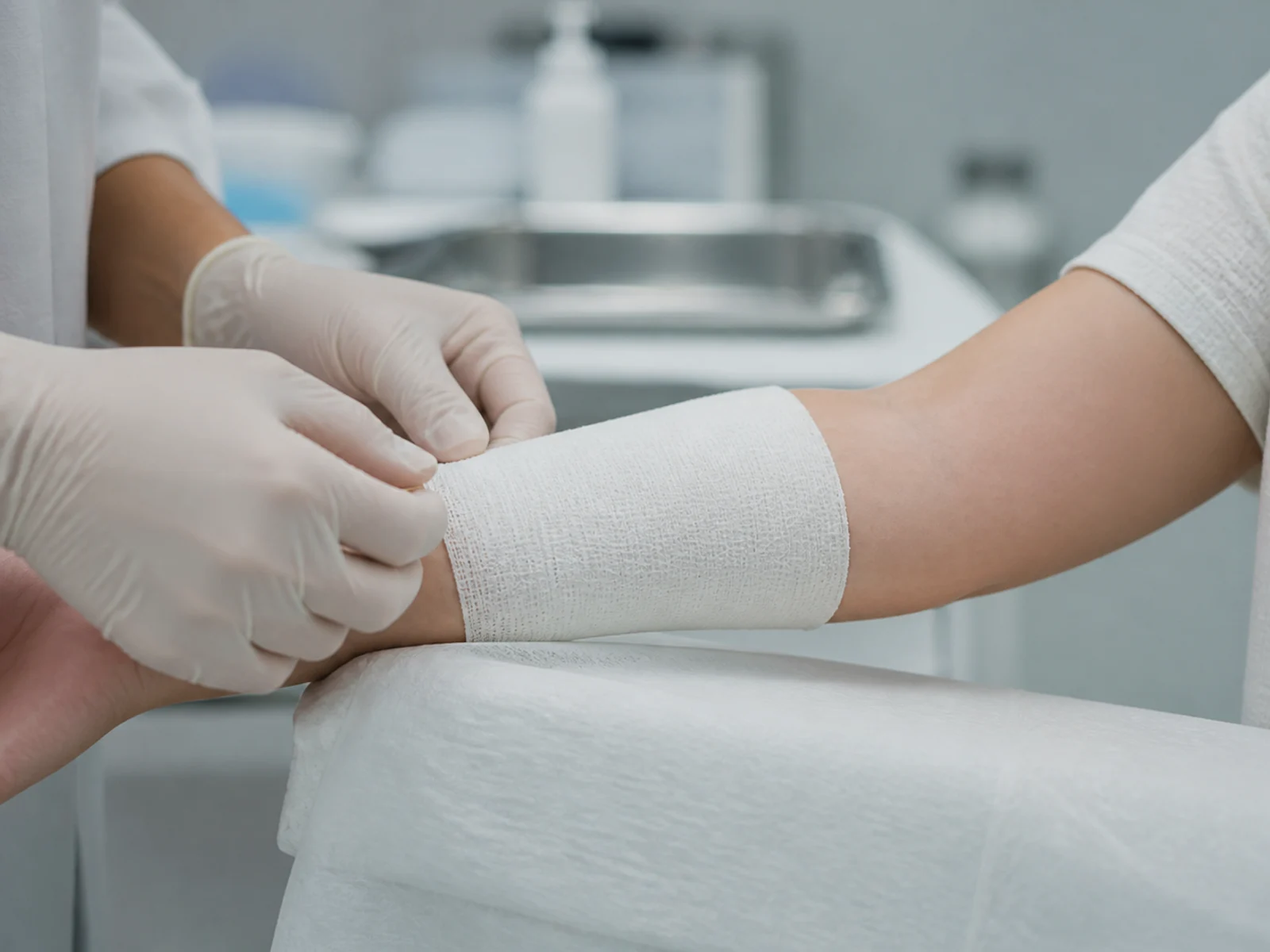
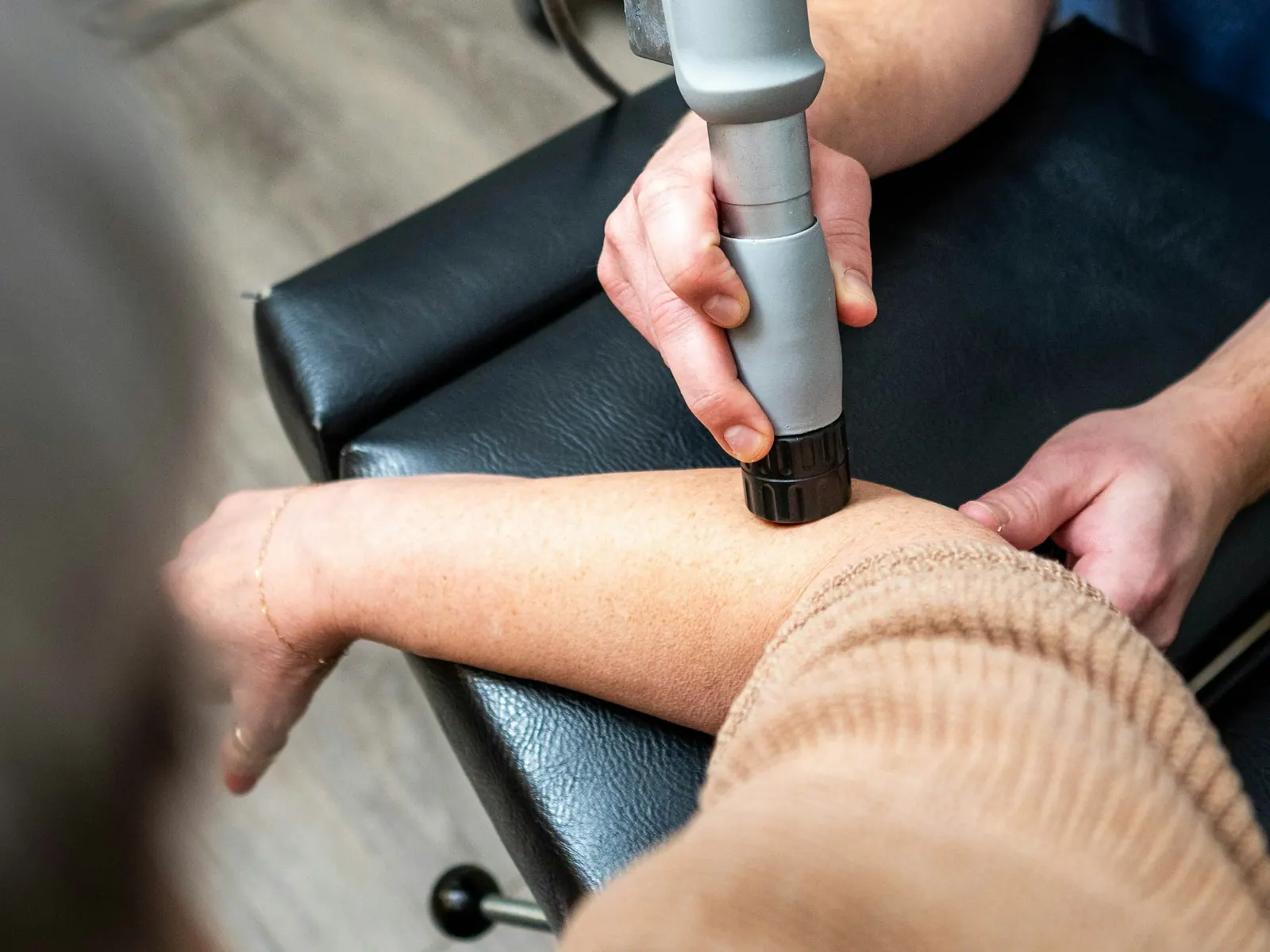
Clinical rehabilitation treatment applied to a patient’s arm

Evaluate the harm

Build a demand around the actual losses

An insurer may acknowledge an encounter but dispute the extent of the resulting losses. We review medical documentation, bills, missed work, and supported effects on everyday activities to connect the injury to the demand. If a physical limitation prevents a return to particular job duties, that difference matters. We evaluate offers against the documented harm rather than treating the first payment proposal as a complete measure of the claim.

InvestigatingYour Claim

The strength and direction of a claim depend on specific evidence, not simply on the fact that an animal caused an injury.

Entrance and exterior steps of a multi-unit building

Earlier incidents and what they actually show

If witnesses describe earlier lunging or biting, we seek details about those encounters and whether the responsible person knew about them. Animal-control records may corroborate a complaint, while ownership or veterinary information may help confirm the animal’s identity. We compare dates, descriptions, and recipients of warnings. This helps determine whether prior behavior supports the claim or whether an allegation rests on an unrelated animal or an unverified account.

Farm tractor working in an agricultural field

Property control and the ability to act

An attack at a rental property does not make every landlord responsible. We examine who controlled the area, who could address the animal’s presence or an enclosure problem, and what that person knew beforehand. Property records and communications can clarify those issues. If a tenant controlled the animal but another party controlled a failed shared gate, the evidence may require separate investigation of each person’s conduct.

Case records and a pen arranged on a desk for review

Policy restrictions and competing coverage positions

A homeowner’s or renter’s policy may be relevant, but the insurer may dispute whether it covers the animal or the person handling it. We identify potentially applicable policies and examine the stated reasons for any denial. If ownership, residence, or a policy restriction is disputed, supporting records can matter. This analysis helps us assess available recovery paths without confusing a coverage dispute with proof of responsibility.

Clinical rehabilitation treatment applied to a patient’s arm

Medical connections and disputed loss calculations

When an insurer attributes limitations to an earlier condition, we compare the documented effects before and after the attack. Medical records and employment evidence may show which expenses or missed duties relate to this encounter. We also examine whether an offer leaves supported losses unexplained. That comparison helps us decide what additional evidence is needed and whether to negotiate further or consider litigation.

Texas injury law is fact-specific, and a federal rule or another state's law may also apply. This page provides general information, not legal advice or a conclusion about any claim.

Terms You May Hear

Texas Dog Bites and Animal Attacks Terms

These terms describe issues we examine when building an animal-attack claim.

Entrance and exterior steps of a multi-unit building

Information about earlier threatening behavior, complaints, or encounters may bear on what someone knew. We investigate the details and timing rather than assuming any previous complaint proves responsibility for a later attack.

Owner or keeper

The person who possesses or handles an animal may differ from its owner. We examine who directed the animal and controlled restraint at the relevant time because those roles can affect responsibility.

Restraint

A leash, enclosure, gate, or other means of control may help explain how an animal reached someone. We examine its use and condition to assess whether a control failure contributed to injury.

Notice

Notice concerns what a person knew about a relevant risk before the encounter. Reports, messages, and witness accounts may help us distinguish actual knowledge from assumptions made only after an injury.

Coverage

Insurance coverage concerns whether a policy applies to the person, animal, and circumstances involved. We review policy language and disputed restrictions separately from the question of who caused the injury.

Claimed losses

Claimed losses are the injury-related harms supported by evidence, including medical expenses, income loss, and documented personal effects. We evaluate their connection to the attack when preparing demands and reviewing offers.

How WePursue Your Claim

Our work moves from preserving the encounter evidence to evaluating responsibility, losses, and available claim options.

Discuss Your Situation
  1. Discuss the encounter and review timing

    We ask how the animal reached you, who was present, and what injuries were documented. We also review timing and possible deadlines so the investigation can address urgent evidence issues before important details become harder to establish.

  2. Preserve the scene evidence

    If a gate, leash, or enclosure may explain the attack, we work to preserve photographs and relevant accounts before conditions change. That evidence helps test whether the claimed control failure matches the physical setting.

  3. Trace ownership and handling

    We examine ownership information, witness descriptions, and relevant property records to identify the owner, keeper, and other involved parties. Resolving conflicting names or roles helps prevent the claim from targeting the wrong person.

  4. Investigate knowledge and insurance

    We seek relevant animal-control records and evidence of earlier warnings, then investigate potentially applicable insurance. This work helps distinguish a supported responsibility theory from an assumption and identifies coverage questions that could affect negotiations.

  5. Document the injury demand

    We connect medical expenses, income losses, and documented personal effects to the encounter. Where an insurer challenges a particular expense or limitation, we examine the supporting evidence before including or defending that part of the demand.

  6. Evaluate offers and pursue resolution

    We compare settlement proposals with the responsibility evidence, coverage position, and supported losses. If negotiations do not resolve material disputes, we evaluate further claim action, including litigation, and explain the choices involved.

One injury can raise more than one legal question.

If an attack also involves a property condition or occurs during work, we examine whether related premises-liability or workplace-injury issues require separate analysis alongside the animal-control facts.

Explore Practice Areas

WhyInjury Attorney Near Me

Our Houston-based firm serves injured clients across Texas. When an animal attack leaves responsibility or losses disputed, we investigate those issues and pursue the claim. Call (833) 700-6660 for a consultation; representation is subject to an agreement.

Focused On

Dog Bites and Animal Attacks

Injury Attorney Near Me, PLLC is based in Houston and serves injury clients throughout Texas.

Investigation focused on control

When ownership and day-to-day handling differ, we examine both rather than stopping at the name on an animal record. That work helps identify whose conduct matters and which insurance policies deserve review.

A claim tied to documented losses

If an attack affects your work or daily activities, we connect those effects to medical documentation and income evidence. We use that comparison to evaluate settlement offers and identify losses an insurer has overlooked or disputed.

Dog Bites and AnimalAttacksQuestions

These practical questions can affect how an animal-attack claim is evaluated.

Contact the Firm
Can we discuss a claim if the animal belongs to a friend or relative?

Yes. We can discuss the encounter, the relationship involved, and whether insurance may apply. A personal relationship does not answer the responsibility or coverage questions. We explain the potential parties and practical choices so you can consider pursuing a claim without assuming how the owner will respond.

What if I was knocked down but was not bitten?

A bite is not the only encounter worth reviewing. If an animal knocked you down or caused another injuring contact, we examine how its handling contributed to the event. Medical documentation and witness accounts help us evaluate the connection between that conduct and the injuries claimed.

Does a warning sign mean I cannot pursue a claim?

A warning sign is one fact, not a complete answer. We examine whether it was visible, what it said, where the encounter occurred, and how the animal was controlled. Those details help evaluate the warning’s significance and any dispute about your conduct.

What if the owner offers to pay my first medical bill?

An offer to pay one bill may leave other documented losses unresolved. We can review the proposed payment and any accompanying release to assess what it would settle. That review matters when the extent of medical expenses, missed earnings, or other injury effects remains uncertain.

Can you review an attack that happened away from where I live?

We serve clients throughout Texas, and an injury need not occur near your home for us to discuss it. We examine the actual location, involved parties, and circumstances to evaluate the claim and any filing issues rather than treating your residence as the deciding fact.

What if the injured person is a child?

We examine the child’s encounter, the adults involved, and the documented injury effects rather than applying assumptions about adult behavior. A child’s claim can also raise separate representation and settlement questions. We review those issues before recommending how to pursue or resolve the matter.