Traumatic Brain Injury (TBI) Lawyer Serving Texas

A traumatic brain injury can disrupt work, independence, and family life. Injury Attorney Near Me, PLLC, based in Houston and serving Texas, investigates what caused the injury, identifies responsible parties and insurance, and develops evidence of medical and income losses to pursue a supported claim.

  • Motor Vehicle and
    Roadway Accidents
  • Transportation and
    Recreation Accidents
  • Premises, Property, and
    Institutional Injuries
  • Defective Products, Drugs,
    and Toxic Exposure
  • Severe Injury and
    Wrongful Death
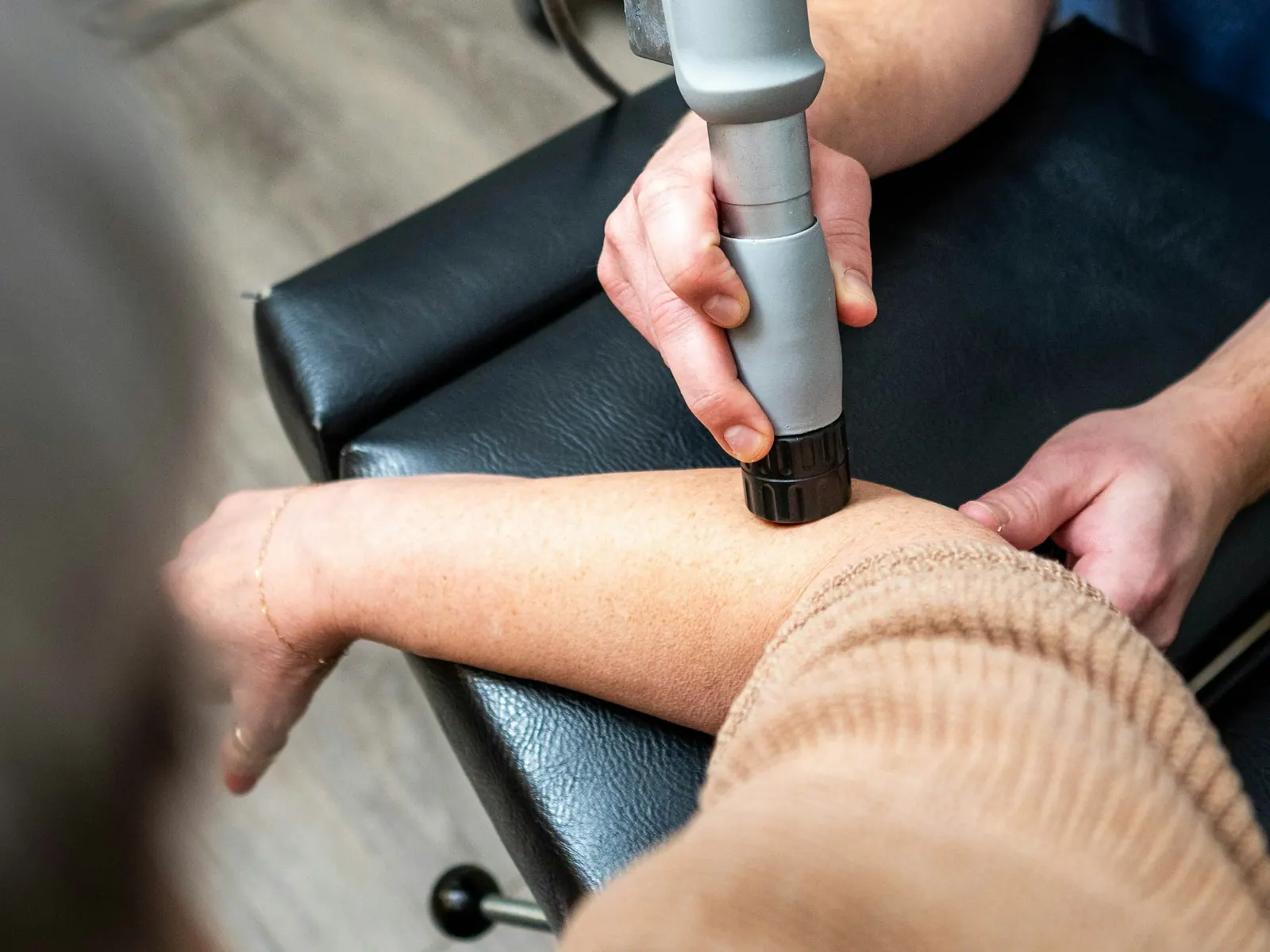
Clinical rehabilitation treatment applied to a patient’s arm

Severe Injury and Wrongful Death in Texas

Representation for Traumatic Brain Injury (TBI)

We pursue traumatic brain injury claims by connecting proof of responsibility with medical evidence and the practical effects on a person's life.

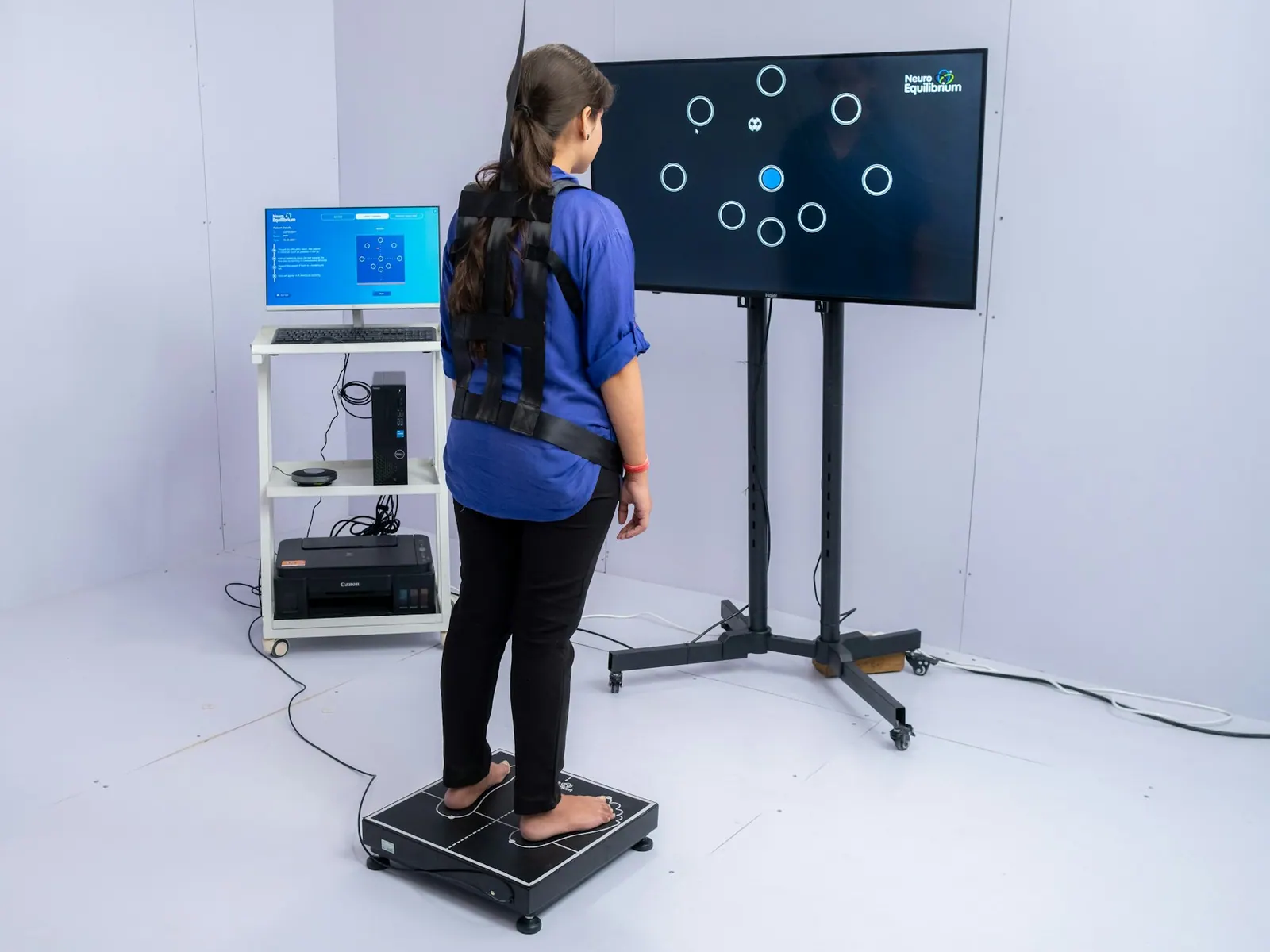
Clinical setting prepared for neurological evaluation and rehabilitation

Establishing responsibility

Connect the injury to a provable event

A brain injury claim starts with the event that caused the harm, not simply the diagnosis. If a person suffers a head injury in a vehicle collision, a fall, or another incident, we investigate how it happened and whose conduct contributed. Witness accounts, available recordings, and physical evidence can help distinguish responsibility from an unsupported accusation. That distinction guides which parties we pursue and which insurance policies we examine.


Case records and a pen arranged on a desk for review

Documenting injury effects

Show what the injury changed

An emergency visit may capture only part of the injury evidence. If later evaluations document difficulties with memory, concentration, or behavior, we examine how those findings relate to the event and to the person's earlier functioning. We review emergency records, imaging, specialist evaluations, and therapy notes together rather than treating one record as the whole story. This helps us address disputes about causation and determine which medically supported effects belong in the claim.

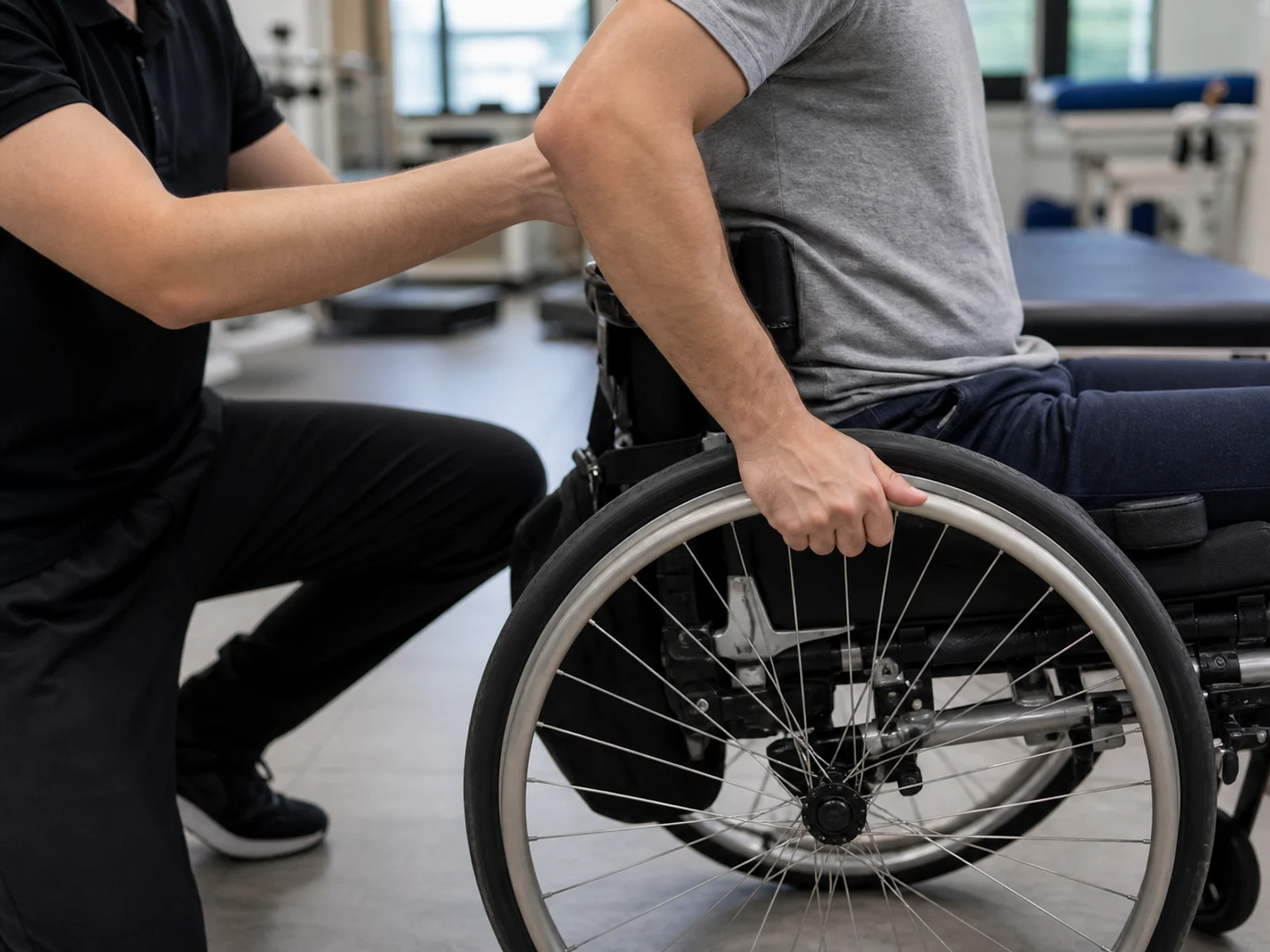
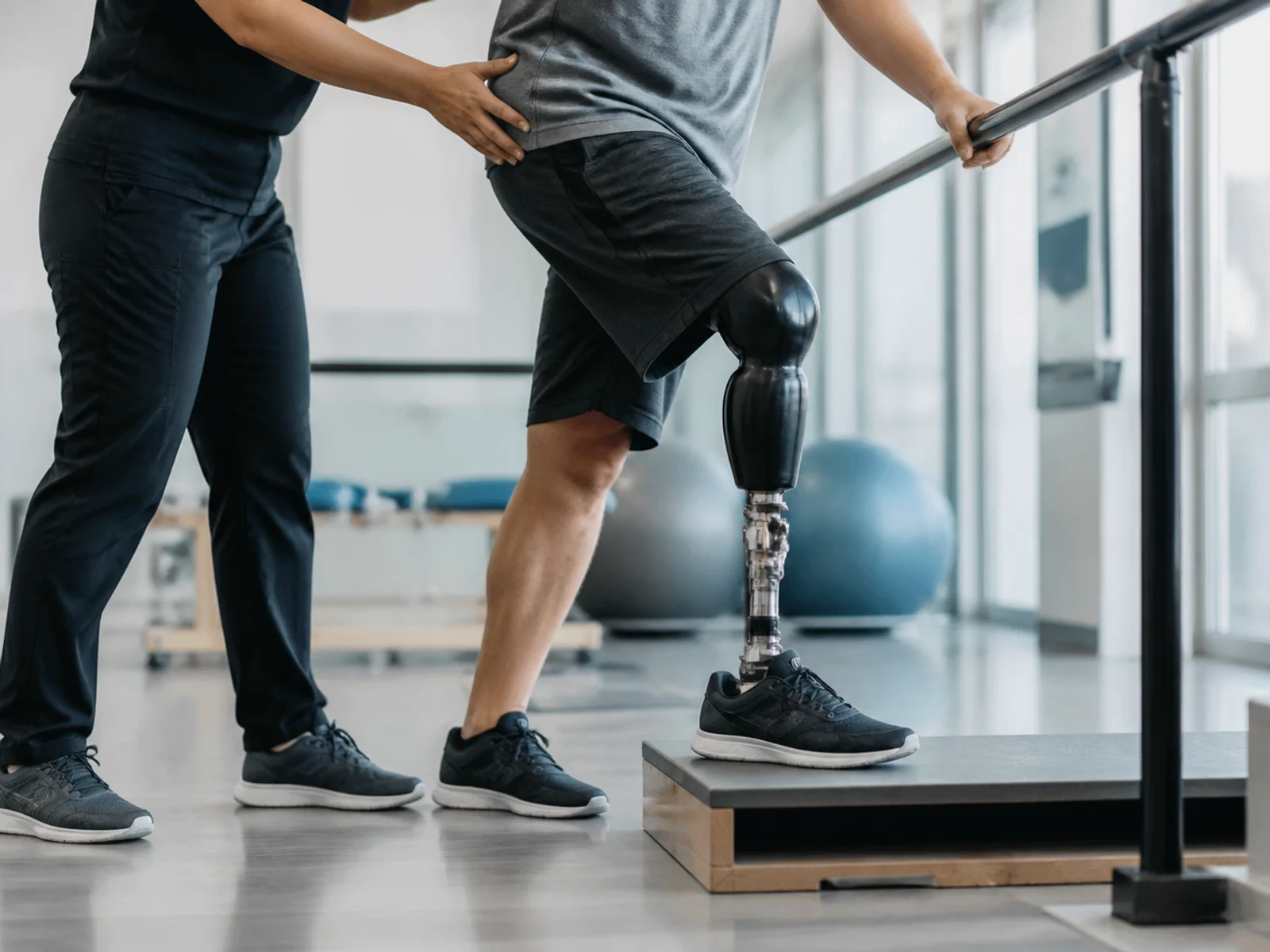
Rehabilitation room with parallel bars and a wheelchair

Evaluating the claim

Measure losses before weighing an offer

The financial consequences may extend beyond a hospital bill. If documented limitations interfere with employment or require assistance at home, we investigate wage losses, changes in duties, rehabilitation expenses, and supported future needs. We compare that evidence with the insurer's position before evaluating an offer. A meaningful settlement decision requires understanding what the payment addresses, what losses remain disputed, and whether further negotiation or litigation is warranted in the circumstances.

InvestigatingYour Claim

Several distinct issues can change whom we pursue, what losses we include, and whether an offer deserves further negotiation.

Clinical setting prepared for neurological evaluation and rehabilitation

Evidence that may disappear

If a fall or collision was recorded, the recording may help explain the force involved and challenge conflicting accounts. We identify who controls relevant footage and seek its preservation, along with witness information and incident evidence. Early attention matters because a medical diagnosis alone may not establish how the event happened. The available proof helps determine whether to pursue a disputed responsibility claim or investigate another explanation.

Clinical rehabilitation treatment applied to a patient’s arm

More than one potentially responsible party

The person directly involved may not be the only party worth investigating. If an employee caused an incident while performing assigned work, we examine the employment relationship and the circumstances of that work. If a property condition contributed, control and maintenance responsibilities may matter. We use those facts to identify supported claims and potential coverage, rather than naming additional parties merely because the injury is severe.

Case records and a pen arranged on a desk for review

Support for assistance and future needs

If rehabilitation specialists document a need for supervision or continued services, we examine the recommendations, their basis, and associated costs. Caregiver accounts can show the assistance actually provided, but we distinguish observations from professional opinions about future needs. That separation helps us evaluate which expenses can be supported and whether an offer leaves substantial documented needs unaddressed. We do not assume every brain injury requires the same care.

Rehabilitation room with parallel bars and a wheelchair

Disputed work capacity and earnings

A person may return to work yet be unable to sustain previous responsibilities. When evaluations support relevant limitations, we compare them with job demands, attendance, earnings, and employer observations. For a student, school records may help explain documented changes in functioning, without proving a specific future income loss. We assess what the evidence actually supports before presenting economic losses or deciding whether further professional evaluation is needed.

Texas injury law is fact-specific, and a federal rule or another state's law may also apply. This page provides general information, not legal advice or a conclusion about any claim.

Terms You May Hear

Texas Traumatic Brain Injury (TBI) Terms

These terms describe different parts of a brain injury claim and the decisions we evaluate.

Clinical setting prepared for neurological evaluation and rehabilitation

Liability concerns legal responsibility for the event. In a brain injury claim, we investigate the conduct of involved parties and assess whether the evidence supports pursuing them, separately from assessing injury severity.

Causation

Causation is the connection between the event and the claimed injury. We examine the medical timeline and event evidence to address whether documented neurological or cognitive effects are attributable to the incident.

Neuropsychological evaluation

Neuropsychological evaluations may document aspects of cognitive functioning. We review their findings alongside other medical evidence and everyday limitations to understand what they support, without treating a single evaluation as conclusive.

Functional limitations

Functional limitations are documented restrictions affecting activities such as work, learning, or household tasks. We connect those restrictions to specific losses rather than assuming a diagnosis proves every claimed difficulty.

Future care

Future care refers to care needs supported by professional evaluations or recommendations. We assess the basis and estimated costs of those needs when considering whether an offer accounts for longer-term losses.

Insurance coverage

Coverage is the protection an insurance policy may provide for a claim. We examine applicable policies and disputes because coverage limits or exclusions can affect recovery options even when responsibility is supported.

How WePursue Your Claim

Our work moves from preserving evidence to evaluating a resolution, with the investigation shaped by the event and the documented injury effects.

Discuss Your Situation
  1. Discuss the event and immediate claim concerns

    We begin with how the injury occurred, the available diagnosis, and known functional effects. If responsibility is unclear or evidence may disappear, that discussion helps set investigation priorities and identify deadlines that need review.

  2. Preserve event-specific evidence

    We seek relevant recordings, witness accounts, and incident evidence based on the event. For a disputed fall, for example, evidence about the condition and inspections may help establish notice and guide responsibility decisions.

  3. Identify parties and insurance

    We investigate who controlled the activity or condition and examine potentially applicable insurance. If responsibility involves work performed for a business, the relationship and policy terms may affect which claim avenues warrant pursuit.

  4. Develop the medical connection

    We review the emergency history and subsequent evaluations to connect documented effects with the event. Where accounts or findings differ, we examine those differences so the claim reflects supported injury consequences rather than assumptions.

  5. Assess financial and functional losses

    We connect documented limitations with earnings changes, rehabilitation expenses, and assistance needs. Where future costs are claimed, we examine professional support and estimates to assess what should be included in settlement discussions.

  6. Negotiate and evaluate further action

    We present the supported claim and evaluate offers against responsibility evidence, coverage, and losses. If negotiations leave significant disputes unresolved, we assess litigation and other available options with the client before deciding how to proceed.

One injury can raise more than one legal question.

A traumatic brain injury may arise within a vehicle collision, premises injury, or another severe-injury matter. We examine the underlying event to determine which related claim issues need attention.

Explore Practice Areas

WhyInjury Attorney Near Me

Injury Attorney Near Me, PLLC is based in Houston and serves clients throughout Texas. Call (833) 700-6660 for a consultation about a traumatic brain injury claim. Representation is subject to an agreement; we evaluate the event, evidence, and available claim options before proceeding.

Focused On

Traumatic Brain Injury (TBI)

Injury Attorney Near Me, PLLC is based in Houston and serves injury clients throughout Texas.

A claim grounded in daily function

When a documented brain injury affects planning, communication, or work, we connect those limitations to evaluations and real-world observations. That helps us assess losses an offer may overlook rather than relying only on the amount of existing medical bills.

Responsibility and losses investigated together

Proof of a serious injury cannot replace proof of responsibility. We investigate the event while developing the medical and financial evidence, allowing us to evaluate both whether a claim is supportable and whether available coverage addresses the documented losses.

Traumatic BrainInjury (TBI)Questions

These questions address practical concerns that can arise during a traumatic brain injury claim.

Contact the Firm
Can you evaluate a claim if the first scan did not show an injury?

Yes. We assess the available evidence rather than deciding the claim from one imaging result. Where other evaluations document injury effects, we examine those findings and the event history to determine what connection is supportable. Medical interpretation belongs to qualified care providers.

What if I cannot remember the incident clearly?

A gap in memory does not prevent us from investigating. We look for independent evidence, such as witnesses, recordings, and emergency accounts, to reconstruct the event. We also distinguish what you recall from what others observed so the claim does not depend on speculation.

Can a family member contact you about an injured adult?

A family member may contact us to discuss the situation and consultation arrangements. If injury effects make communication difficult, we evaluate how to involve the injured person and what authority may be necessary. Caregiver observations can help explain functional changes without replacing medical evidence.

Does returning to work mean there is no income-loss claim?

Not necessarily. A return with fewer hours, changed duties, or documented performance limitations may still involve losses. We examine the actual employment changes and their connection to the injury, rather than assuming either that returning ends the claim or that every workplace difficulty is injury-related.

How do earlier neurological problems affect the claim?

Earlier conditions can create a dispute over what the incident changed. We compare prior functioning with later medical findings and documented limitations. The goal is to identify supported new or worsened effects, not to attribute an entire medical history to one event.

What if an insurer wants a recorded statement while I have communication difficulties?

Memory or communication limitations can make an account incomplete or unclear. We review the request, the coverage issues, and the available evidence before discussing how it should be handled. Our focus is an accurate account that distinguishes recollection, uncertainty, and independently established facts.