Farm and Agricultural Injury Lawyer Serving Texas

A farm injury involving machinery, animals, chemicals, or unsafe land can leave responsibility unclear and income interrupted. At Injury Attorney Near Me, PLLC, based in Houston, we investigate agricultural injuries across Texas, identify responsible parties and insurance, and pursue claims grounded in the evidence and your documented losses.

  • Motor Vehicle and
    Roadway Accidents
  • Transportation and
    Recreation Accidents
  • Premises, Property, and
    Institutional Injuries
  • Defective Products, Drugs,
    and Toxic Exposure
  • Severe Injury and
    Wrongful Death
Active construction site beside a pedestrian crossing

Premises, Property, and Institutional Injuries in Texas

Representation for Farm and Agricultural Injuries

We investigate agricultural injuries by examining the work, the hazard, and the relationships that determine responsibility.

Warehouse interior with open floor and overhead equipment

The starting point

Understand the task and the injury

The activity underway helps determine what duties and claim options need examination. A worker repairing irrigation equipment, a contractor unloading supplies, and a visitor approaching an animal may face different responsibility questions. We investigate why you were there, who directed the activity, and who controlled the area or equipment. That work helps us distinguish a property-condition claim from a work-related or equipment-related claim and identify which facts must be preserved before the site changes.

Case records and a pen arranged on a desk for review

Responsibility and control

Look beyond the property owner

A farm owner may not be the person who maintained a machine or supervised a crew. If a contractor removed a guard before an injury, for example, ownership alone may not explain responsibility. We examine maintenance files, agreements, safety materials, photographs, and witness accounts to trace control over the hazard. Establishing those roles helps us decide whom to investigate further and prevents a claim from overlooking a business whose work contributed to the injury.

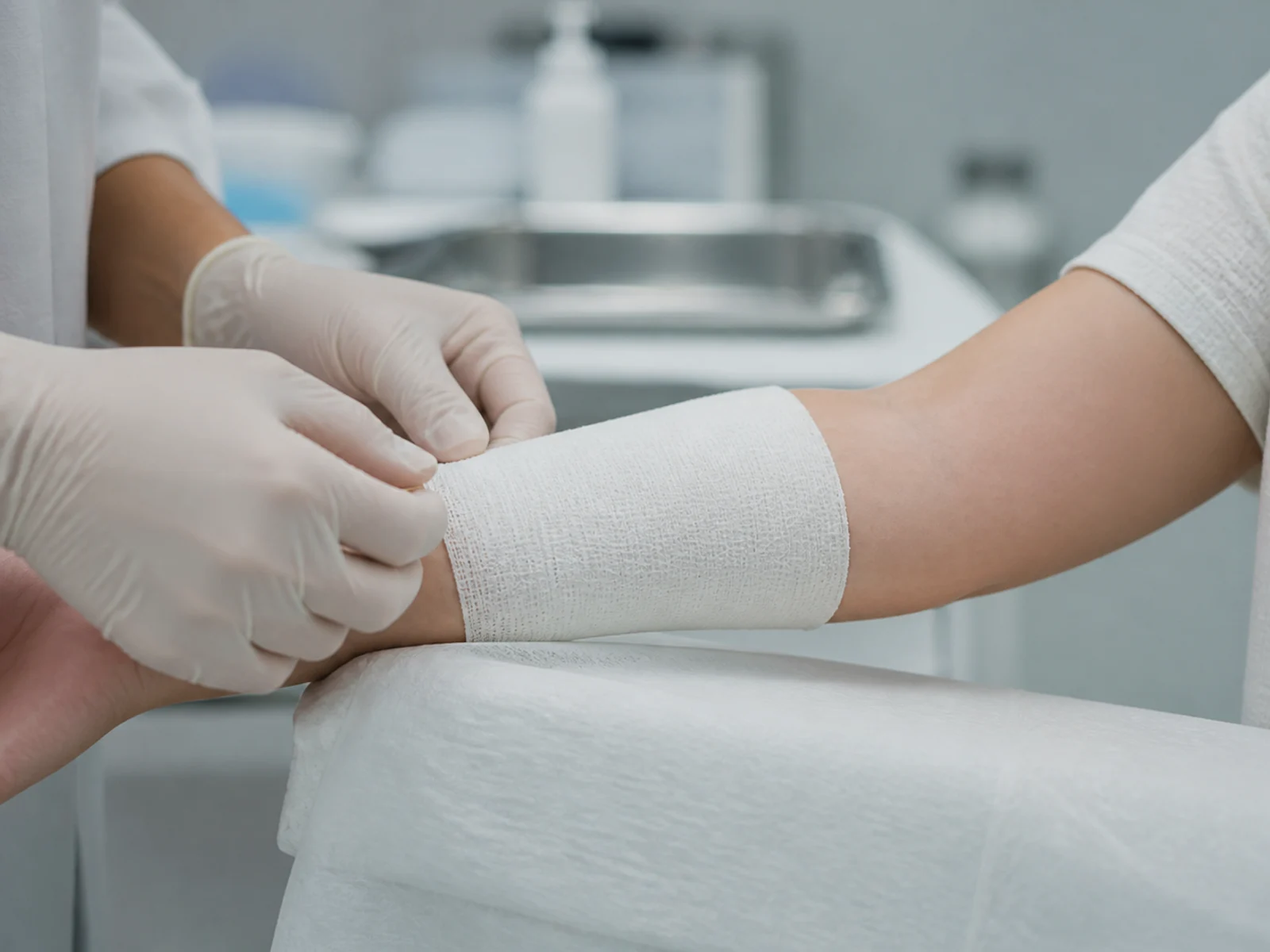
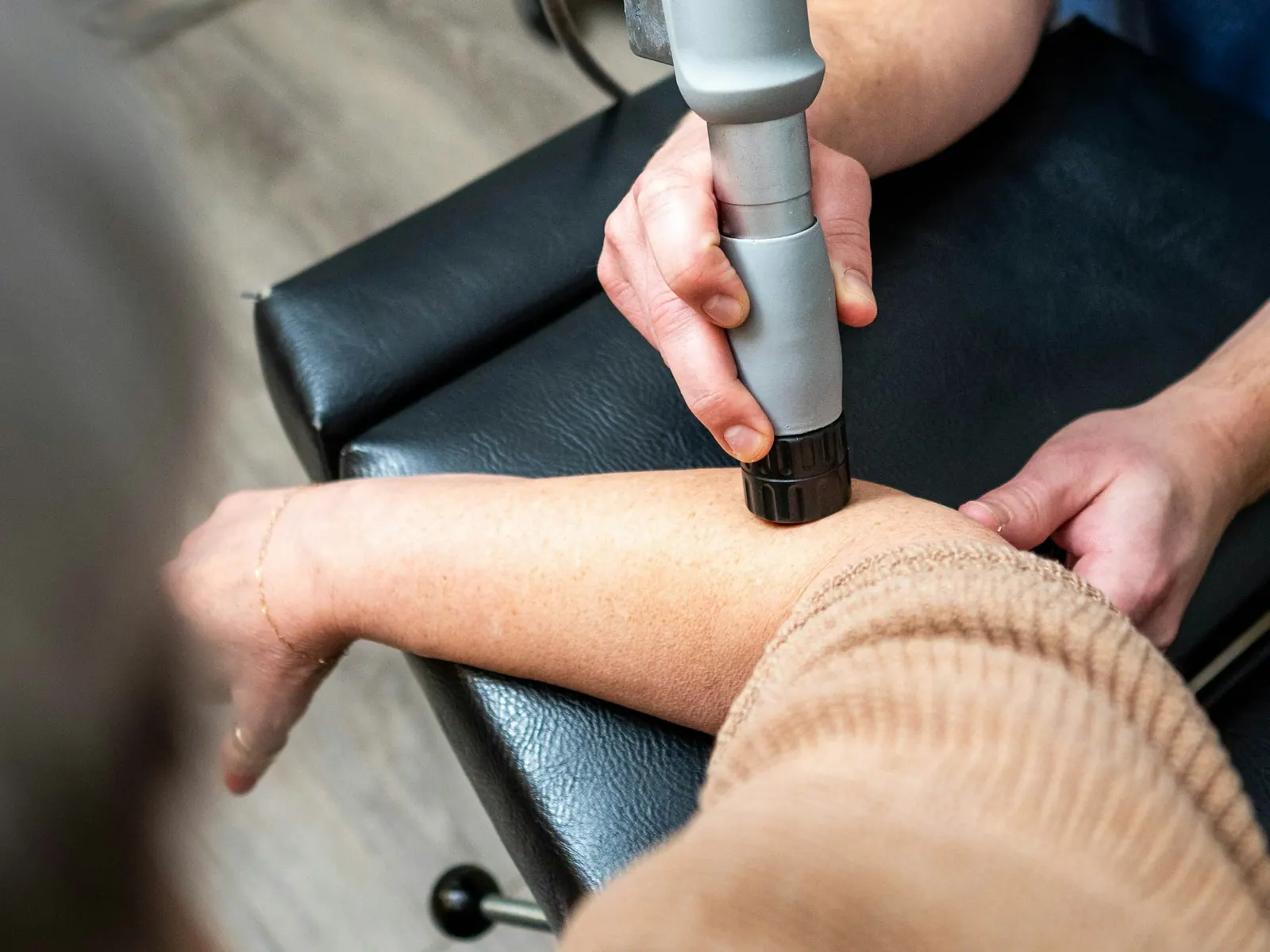
Clinical rehabilitation treatment applied to a patient’s arm

The claim decision

Connect the evidence to your losses

A claim needs evidence of both responsibility and the injury’s financial consequences. If documented restrictions prevent you from returning to lifting, driving equipment, or another assigned task, we examine how that affects earnings alongside medical expenses. We also review available insurance and any employer coverage issues. Bringing these questions together helps us evaluate whether an offer addresses the supported losses and whether further negotiation or another claim route deserves consideration.

InvestigatingYour Claim

Different agricultural hazards require different proof; we investigate the facts that can change responsibility and settlement decisions.

Warehouse interior with open floor and overhead equipment

Equipment failure versus unsafe operation

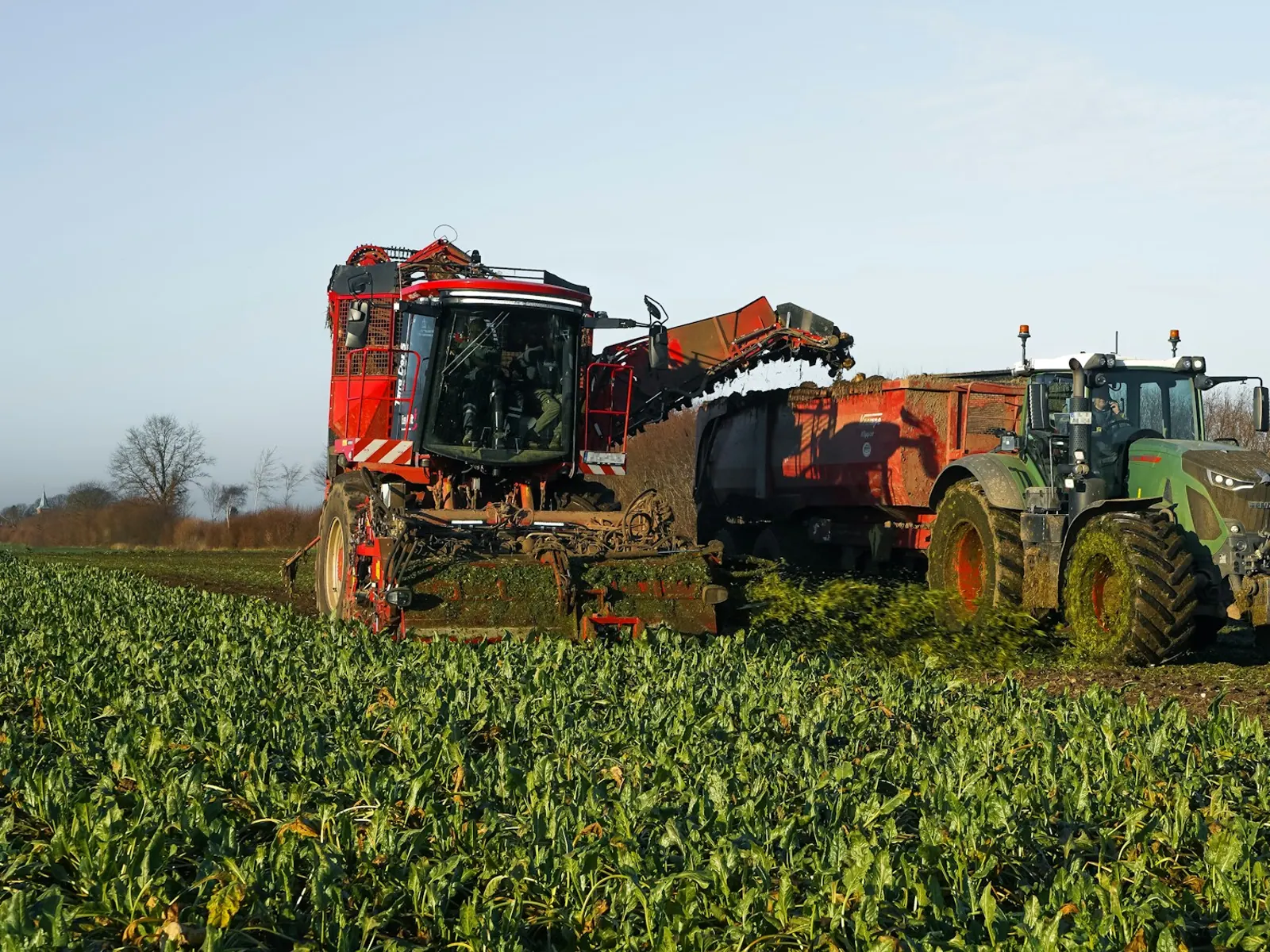
If a baler or other machine injures someone, a broken component, missing guard, or operating instruction may point to different causes. We examine maintenance and equipment files, training materials, and the machine’s condition to distinguish a product issue from servicing or operation. That distinction guides whether we investigate an equipment provider, repair contractor, operator, or product participant rather than treating every machinery injury as the same claim.

Active construction site beside a pedestrian crossing

Land, animals, and chemical handling

A fall through an unsecured opening, an animal escaping a pen, and exposure during chemical application require separate investigations. We examine photographs, incident reports, safety materials, and relevant agreements to determine who controlled the condition or task. For chemical incidents, documented injury findings also matter to the alleged connection. These facts help us evaluate whether the claim concerns an unsafe site, handling decisions, warnings, or several contributing acts.

Case records and a pen arranged on a desk for review

Employer and contractor relationships

The business paying a worker may differ from the operator directing daily tasks. We review contracts, supervision arrangements, and employer coverage information to clarify those relationships. We do not assume every agricultural employer carries workers’ compensation insurance. Determining coverage and each participant’s role helps us evaluate work-related claim options and whether a separate contractor or another party may bear responsibility for conduct contributing to the injury.

Clinical rehabilitation treatment applied to a patient’s arm

Losses that extend beyond immediate bills

An injury may affect seasonal work, variable earnings, or the ability to perform specific duties. We compare medical documentation with wage history, work assignments, and evidence of missed income to develop a supported loss assessment. Where future losses are disputed, we examine the available supporting evidence rather than guessing. This assessment helps us identify gaps in an insurer’s valuation and decide whether an offer merits acceptance or further pursuit.

Texas injury law is fact-specific, and a federal rule or another state's law may also apply. This page provides general information, not legal advice or a conclusion about any claim.

Terms You May Hear

Texas Farm and Agricultural Injuries Terms

These terms help explain the different claim paths we evaluate after a farm or agricultural injury.

Warehouse interior with open floor and overhead equipment

The authority to direct a task or manage a hazard. We investigate actual instructions and working arrangements because the person controlling an activity may differ from the person who owns the land.

Premises liability

A claim involving an unsafe property condition. On agricultural land, we examine the condition, your reason for being there, and the responsible party’s knowledge to evaluate whether this claim path fits.

Notice

Evidence that a responsible party knew, or may have had reason to know, about a dangerous condition. Earlier reports or maintenance entries can help us evaluate whether an opportunity to address it existed.

Product liability

A claim examining whether equipment was unsafe because of its design, manufacture, or warnings. We distinguish those issues from poor maintenance or altered equipment before deciding which product participants warrant investigation.

Workers’ compensation coverage

An employer’s insurance arrangement for work-related injuries. Coverage must be verified rather than assumed; we examine the employer’s records because coverage status can affect how an employee’s injury claim is evaluated.

Evidence preservation

An effort to keep relevant proof from being lost or changed. For farm injuries, this may involve equipment, photographs, maintenance records, and incident reports needed to test competing explanations of the event.

How WePursue Your Claim

We move from identifying the incident’s cause to evaluating the evidence, coverage, and available claim options.

Discuss Your Situation
  1. Evaluate the incident and timing

    We discuss the task, injury, and participants, then review potential deadlines and claim routes. Identifying whether the incident involved employment, a property condition, or equipment helps set investigation priorities while relevant evidence is still available.

  2. Seek preservation of relevant evidence

    If machinery may be repaired or a work area changed, we identify the evidence at risk and seek its preservation. Retaining the relevant condition and records allows competing explanations to be tested instead of relying solely on recollections.

  3. Trace responsibility for the hazard

    We compare witness accounts with maintenance files, instructions, and contracts. If several businesses shared a worksite, this review helps separate who owned equipment from who maintained it, directed its use, or controlled the area.

  4. Examine insurance and claim paths

    We identify potentially responsible parties and investigate applicable insurance, including employer coverage when relevant. This work helps determine where a claim should be directed and what coverage disputes may need attention before an offer can be meaningfully evaluated.

  5. Develop the loss assessment

    We use medical records and income evidence to document the injury’s effects. For someone with seasonal earnings, we examine the work actually missed so the demand reflects supported losses rather than a misleading snapshot of wages.

  6. Evaluate offers and pursue resolution

    We assess offers against responsibility evidence, documented losses, and unresolved disputes. We explain the tradeoffs and pursue negotiation or litigation as warranted by the claim, rather than treating an insurer’s initial valuation as the final answer.

One injury can raise more than one legal question.

Some farm injuries also raise premises liability, workplace injury, or defective product issues. We examine those connections when land conditions, employment arrangements, or equipment failures point toward different responsibility questions.

Explore Practice Areas

WhyInjury Attorney Near Me

Injury Attorney Near Me, PLLC is based in Houston and serves injured people across Texas. Call (833) 700-6660 for a consultation about a farm or agricultural injury. Representation requires an agreement; our work focuses on investigating responsibility and pursuing a supported claim.

Focused On

Farm and Agricultural Injuries

Injury Attorney Near Me, PLLC is based in Houston and serves injury clients throughout Texas.

An investigation tied to the activity

A machinery injury requires different proof than an animal-handling injury. We focus the investigation on the task, condition, and people involved so responsibility decisions rest on what happened, rather than assumptions about who owned the farm.

A claim grounded in documented losses

Agricultural injuries can interrupt seasonal earnings and physically demanding work. We connect medical documentation with employment and income evidence, then evaluate whether an offer accounts for supported losses instead of relying only on the first bills received.

Farm and AgriculturalInjuriesQuestions

Here are practical questions we can address during a consultation.

Contact the Firm
Can I discuss a claim if I was helping without pay?

Yes. Unpaid help does not answer every responsibility question. We examine who invited you, what task you performed, and whether anyone directed your work. Those facts help us assess your relationship to the operator and whether a property, activity, or equipment claim warrants investigation.

What if my injury happened somewhere other than where I live?

We serve clients throughout Texas, including people injured away from home. We examine the incident location, the businesses involved, and other relevant connections rather than assuming your home county controls the claim. A consultation can address how those circumstances affect our evaluation.

Can we investigate an animal injury if the animal had never hurt anyone before?

A lack of earlier injuries does not end our review. We examine the animal’s handling, enclosure, instructions, and the activity underway. For example, a poorly secured gate may raise a different responsibility issue than an allegation about the animal’s known behavior.

What if there was no written incident report?

We can evaluate other evidence, including photographs, witnesses, equipment records, and medical documentation describing the reported event. We also investigate whether the operator or contractor recorded the incident elsewhere. Missing paperwork makes timely fact development important, but it does not by itself decide the claim.

Does an equipment recall mean the manufacturer is responsible?

A recall can identify an issue worth investigating, but we still need to connect the equipment, the relevant condition, and the injury. We examine the model, modifications, maintenance, and failure circumstances to assess whether a product issue actually contributed to what happened.

Can I contact you after receiving an insurance offer?

Yes. We can review the offer, the claimed losses, and the proposed release to evaluate what remains disputed and what accepting it could resolve. Tell us about any response date or documents already signed so we can assess the remaining questions promptly.