
Bus Accident Lawyer Serving Texas

A bus collision, sudden stop, or boarding injury can leave you facing medical bills and lost income. At Injury Attorney Near Me, PLLC, based in Houston and serving Texas, we investigate what happened, identify responsible parties and insurance, and pursue a claim grounded in the evidence.

  • Motor Vehicle and
    Roadway Accidents
  • Transportation and
    Recreation Accidents
  • Premises, Property, and
    Institutional Injuries
  • Defective Products, Drugs,
    and Toxic Exposure
  • Severe Injury and
    Wrongful Death
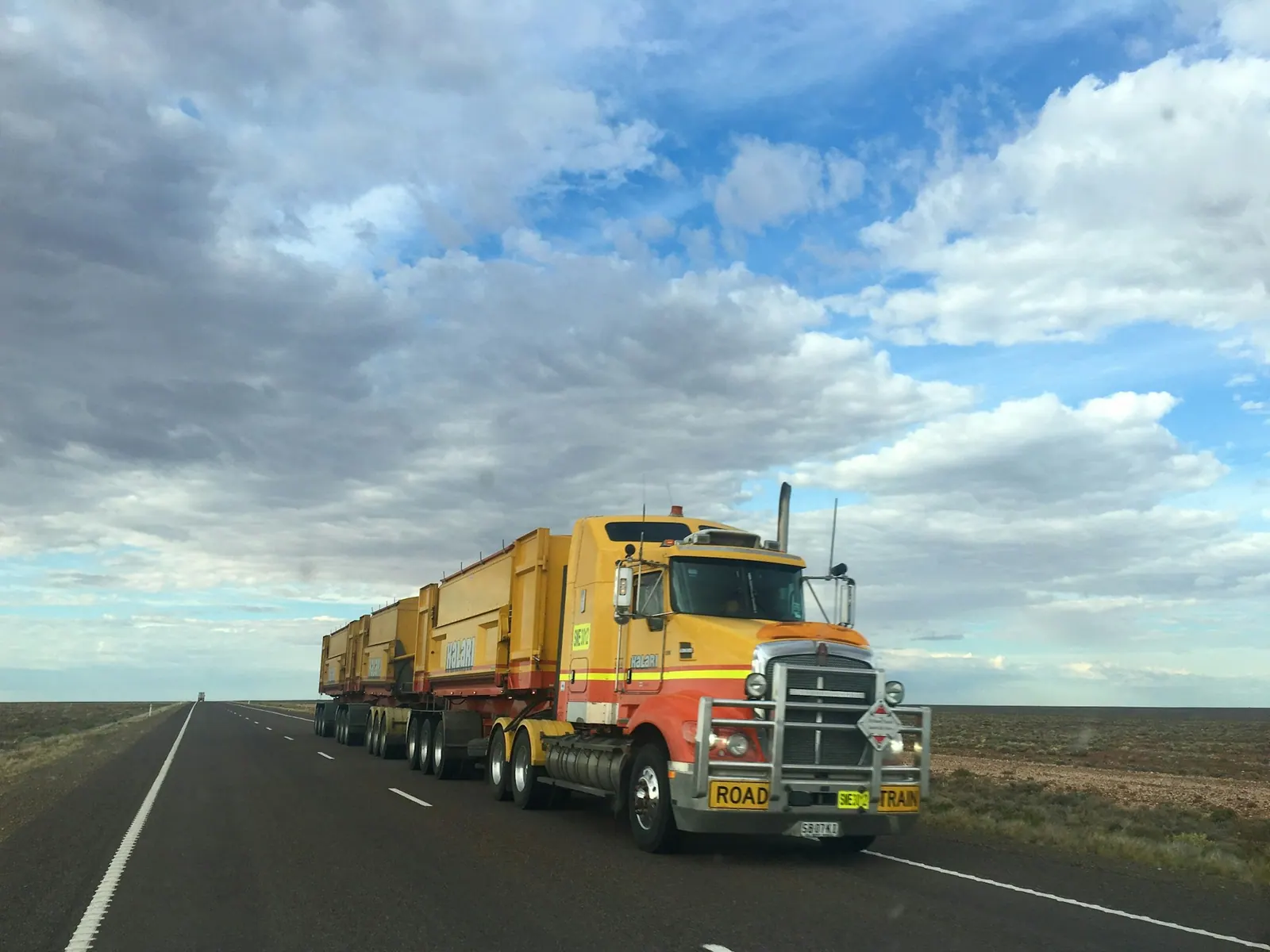
Commercial truck traveling on a multi-lane roadway

Motor Vehicle and Roadway Accidents in Texas

Representation for Bus Accidents

Our bus accident work addresses passenger injuries, collisions involving other vehicles, and injuries involving people outside the bus.

Cars moving through a signalized urban intersection

Reconstruct the event

Understand how the injury happened

If a passenger falls when a bus brakes or moves before boarding is complete, the central issue may be how the operator handled the vehicle rather than whether a collision occurred. We examine onboard footage, passenger accounts, and operator records to reconstruct the movement. Comparing those accounts helps us distinguish unsafe operation from an unavoidable response to traffic and decide which conduct supports a claim.

Case records and a pen arranged on a desk for review

Identify responsible parties

Look beyond the driver's name

The name displayed on a bus may not identify everyone responsible for its operation or condition. A carrier, vehicle owner, or maintenance contractor may have separate duties, while another driver's conduct may have contributed to a collision. We investigate those relationships and the event itself before directing a claim. That work helps avoid pursuing only the visible operator while missing another party whose conduct caused the injury.

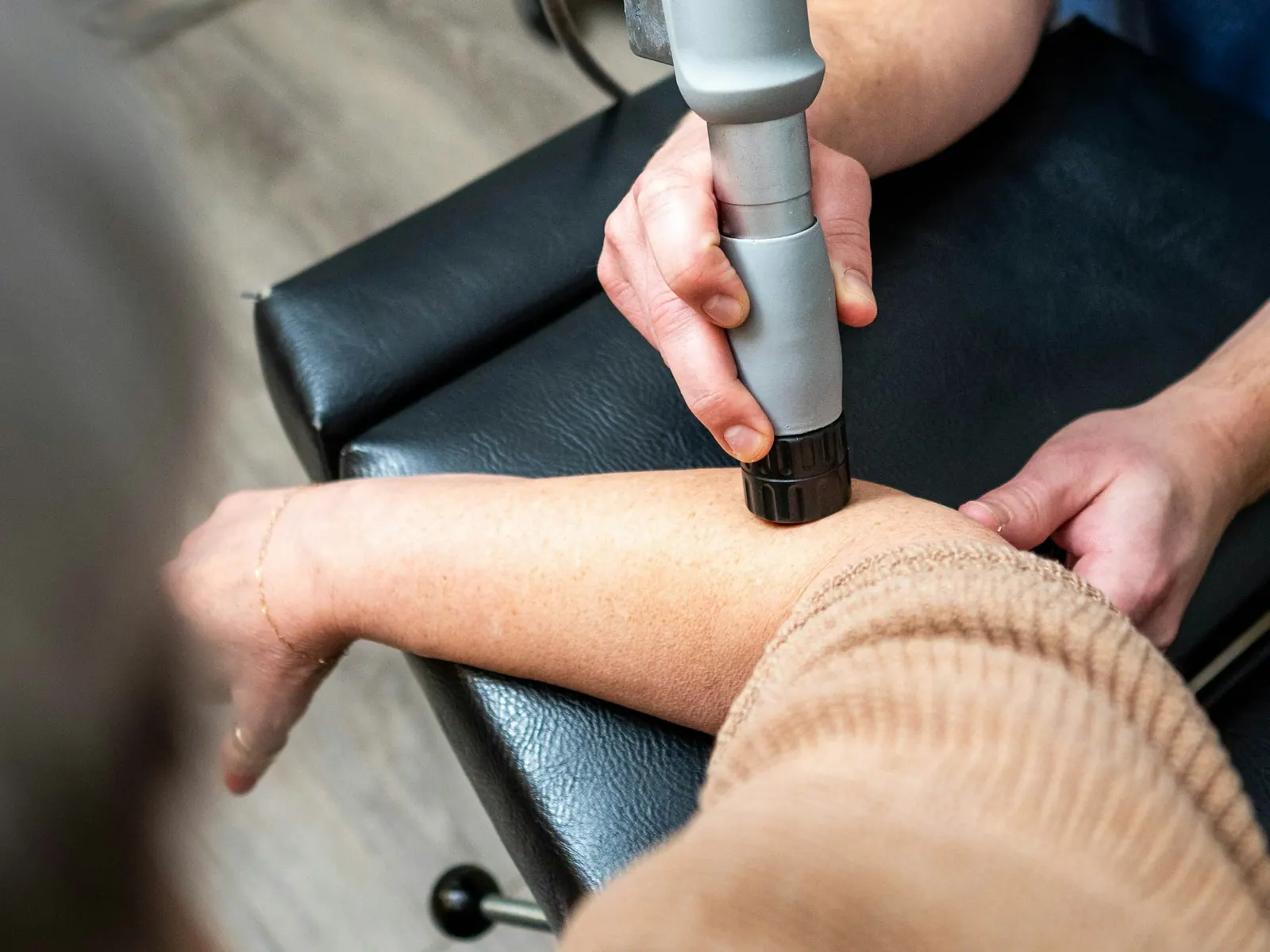
Clinical rehabilitation treatment applied to a patient’s arm

Evaluate the claim

Connect the event to its financial impact

A bus injury claim must explain both responsibility and the losses that followed. If an insurer disputes missed work or attributes symptoms to an earlier condition, we examine medical records, employment information, and the sequence of events. We use that evidence to assess disputed losses and evaluate settlement proposals. Where significant facts remain unresolved, we consider what further investigation or legal action would best advance the claim.

InvestigatingYour Claim

The strongest claim decisions come from testing specific explanations against the available evidence.

Cars moving through a signalized urban intersection

Why the operator braked, turned, or accelerated

A sharp stop may reflect careless driving, a traffic conflict, or an effort to avoid an immediate hazard. We compare onboard video, operator logs, dispatch information, and witness accounts to test those explanations. If another vehicle cut across the bus's path, that detail may shift or divide responsibility. The purpose is to identify the conduct behind the movement, not to treat every abrupt stop as proof of fault.

Commercial truck traveling on a multi-lane roadway

Whether a vehicle problem contributed

If a door malfunction or braking issue is suspected, maintenance history can show reported problems, inspections, and repairs before the event. We examine those files alongside footage and passenger accounts rather than assuming a defect from the injury alone. Evidence of an unresolved problem may support investigating a vehicle owner or maintenance contractor; evidence of proper function may redirect attention toward operation or another road user's conduct.

Case records and a pen arranged on a desk for review

Who operated the service and what coverage applies

A private charter, contracted service, and publicly operated bus can present different claim requirements and insurance questions. We determine who controlled the trip, owned the vehicle, and performed relevant work, then identify potential coverage. Public-entity involvement also calls for early review of applicable requirements. These distinctions affect whom we contact, what procedures need attention, and whether a coverage dispute requires a separate response.

Clinical rehabilitation treatment applied to a patient’s arm

Which losses the evidence supports

An insurer may accept that an incident occurred while disputing its medical or financial consequences. We compare medical records with the event evidence and examine income documentation for the work affected. When records support ongoing limitations, we evaluate their significance without predicting medical outcomes. This analysis helps us assess whether an offer addresses documented losses, whether clarification is needed, or whether pursuing the dispute further is justified.

Texas injury law is fact-specific, and a federal rule or another state's law may also apply. This page provides general information, not legal advice or a conclusion about any claim.

Terms You May Hear

Texas Bus Accidents Terms

These terms explain several issues we examine when pursuing a bus injury claim.

Cars moving through a signalized urban intersection

The company or organization operating the bus service. Identifying the carrier helps us investigate driver oversight, dispatch decisions, vehicle responsibilities, and insurance rather than relying only on the bus's markings.

Liability

Responsibility for the conduct that caused an injury. In a bus claim, we examine operation, maintenance, and other road users' actions to determine whose conduct supports a demand for payment.

Dispatch data

Records showing communications and operational information associated with a bus trip. We compare dispatch data with passenger accounts and operator logs when timing, instructions, or the bus's movements are disputed.

Causation

The connection between the event and the claimed injury or loss. We examine medical documentation and the incident evidence when an insurer questions whether a bus event caused a particular limitation.

Coverage

Insurance that may respond to a claim against an involved party. We identify policies and evaluate coverage disputes separately from deciding whether a driver, carrier, owner, or contractor bears responsibility.

Public-entity claim requirements

Requirements that may apply when a government entity is involved. We review the operator's identity and applicable procedures promptly because a public bus claim may need a different approach from a private-carrier claim.

How WePursue Your Claim

We move from identifying the bus and event to evaluating responsibility, coverage, losses, and a path forward.

Discuss Your Situation
  1. Discuss the injury and identify the service

    We start with how the event happened and which bus service was involved. Distinguishing a passenger fall from a collision helps us identify the initial evidence needs and flag public-entity or private-carrier issues for review.

  2. Seek preservation of relevant evidence

    Bus video and operational data may not remain available indefinitely. We act to seek preservation of relevant footage, logs, and dispatch information so later responsibility decisions do not depend entirely on conflicting recollections.

  3. Reconstruct the movement or impact

    We compare passenger accounts, reports, and available video to establish the sequence. Whether the bus moved during boarding or reacted to another vehicle can materially change which party's conduct we investigate and pursue.

  4. Investigate parties and insurance

    We examine operating relationships, ownership, and relevant maintenance work, then identify insurers. This connects the suspected cause to potential defendants and coverage while allowing us to review any special requirements arising from public-entity involvement.

  5. Develop the loss evidence

    We examine medical documentation and income information against the injury timeline. If an insurer challenges a missed-work period or a documented limitation, we identify the evidence needed to evaluate that dispute and support the claimed loss.

  6. Evaluate offers and pursue the claim

    We assess proposals against the responsibility evidence and documented losses, not just the amount offered. We explain unresolved issues and available options, then pursue negotiation or legal action suited to the claim and its requirements.

One injury can raise more than one legal question.

If another vehicle's conduct contributed to the bus event, related car, truck, pedestrian, or bicycle injury services may help address overlapping responsibility without treating the incidents as separate problems.

Explore Practice Areas

WhyInjury Attorney Near Me

Injury Attorney Near Me, PLLC is based in Houston and serves injured clients across Texas. Call (833) 700-6660 to request a consultation about a bus injury. Representation requires an agreement; our discussion can help identify the claim issues that need attention.

Focused On

Bus Accidents

Injury Attorney Near Me, PLLC is based in Houston and serves injury clients throughout Texas.

An investigation focused on the bus event

A passenger fall and a collision require different evidence. We tailor the investigation to the movement, impact, or equipment issue involved, so responsibility is evaluated against what actually happened rather than assumptions about who operated the bus.

A claim tied to documented losses

When an injury interrupts work or daily activities, we connect medical documentation and income evidence to the event. That gives us a concrete basis for evaluating an offer and identifying losses an insurer has overlooked or disputed.

Bus AccidentsQuestions

Here are answers to practical questions about bus injury claims.

Contact the Firm
Can we discuss a claim if the bus never struck anything?

Yes. A sudden movement, boarding incident, or door-related event can warrant investigation without a collision. During a consultation, we can discuss how you were injured and what information may distinguish unsafe operation or equipment problems from ordinary vehicle movement.

What if I cannot identify the bus driver?

A driver's name is not the only way to identify an event. The approximate time, boarding location, direction of travel, ticket information, or bus description may help us trace the operator and relevant records. We assess those details before deciding what investigation is feasible.

Does being a passenger mean I must claim against the bus operator?

No. Another road user's actions may have caused or contributed to the event. We examine how the vehicles interacted before deciding whom to pursue. Being aboard the bus identifies your position during the incident, but it does not settle responsibility.

Should I give a recorded statement to an insurer?

A recorded statement can affect disputes about movement, timing, and injury effects. Before you decide how to respond, we can discuss the request, which insurer is asking, and the issues involved. If we represent you, we can handle claim communications and help address disputed questions.

Can a claim account for work I missed when my earnings vary?

Variable earnings require more than multiplying a fixed wage by missed days. We examine the work you could not perform, your earnings history, and available business or employment records. That comparison helps assess a supportable loss without assuming every change in income resulted from the injury.

What if I live far from where the bus incident happened?

Our Houston-based firm serves clients throughout Texas, including people injured away from home. We examine the incident location and the parties involved when assessing the claim. Your home county alone does not determine where a claim belongs or which parties should be pursued.