
Rideshare Accident (Uber and Lyft) Lawyer Serving Texas

An Uber or Lyft collision can leave you injured while insurers disagree about who should pay. At Injury Attorney Near Me, PLLC, based in Houston and serving clients across Texas, we investigate the crash, establish trip status and pursue claims supported by responsibility, coverage and documented losses.

  • Motor Vehicle and
    Roadway Accidents
  • Transportation and
    Recreation Accidents
  • Premises, Property, and
    Institutional Injuries
  • Defective Products, Drugs,
    and Toxic Exposure
  • Severe Injury and
    Wrongful Death
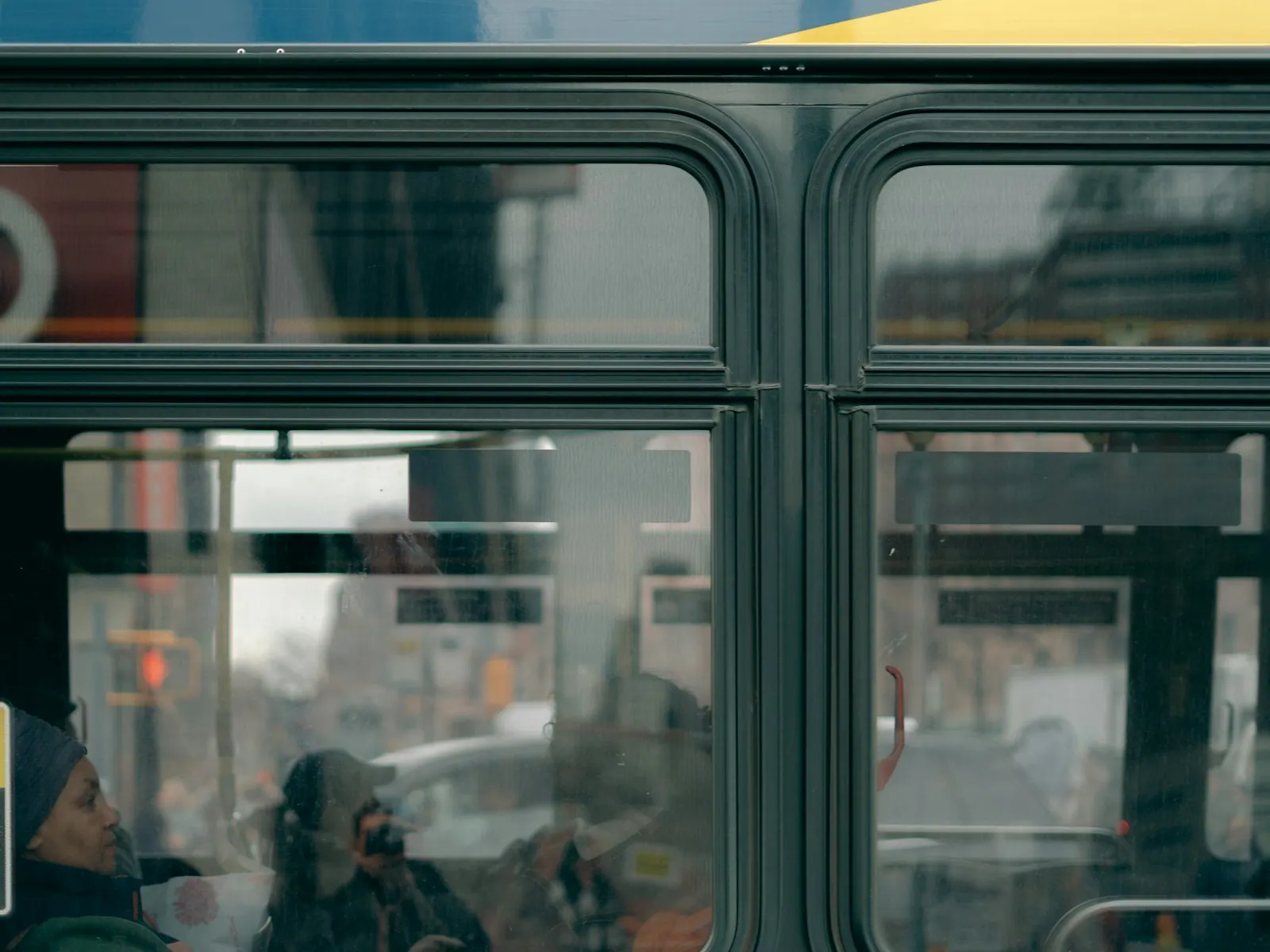
Transit bus operating on a city street

Motor Vehicle and Roadway Accidents in Texas

Representation for Rideshare Accidents (Uber and Lyft)

We handle Uber and Lyft injury claims by connecting crash responsibility, app activity, insurance coverage and the losses the evidence supports.

Cars moving through a signalized urban intersection

Starting the investigation

Establish what happened during the ride

A passenger may know the ride was booked but not whether the platform records show the same pickup and crash times. We examine trip receipts, app activity and available driver information to establish the sequence. We also investigate vehicle movement and other drivers' actions rather than assuming the rideshare driver caused the collision. That combined picture helps us identify whose conduct needs investigation and which insurance coverage should be examined first.

Case records and a pen arranged on a desk for review

Resolving coverage questions

Identify insurance that fits the facts

When the driver's personal insurer and a rideshare-related insurer give different explanations, an injured person can be left unsure where the claim belongs. We compare the driver's recorded app status with the available policies and coverage responses. A driver waiting for a request presents a different coverage question from one transporting a passenger. Resolving those factual differences helps us direct the claim and challenge coverage positions that do not match the evidence.

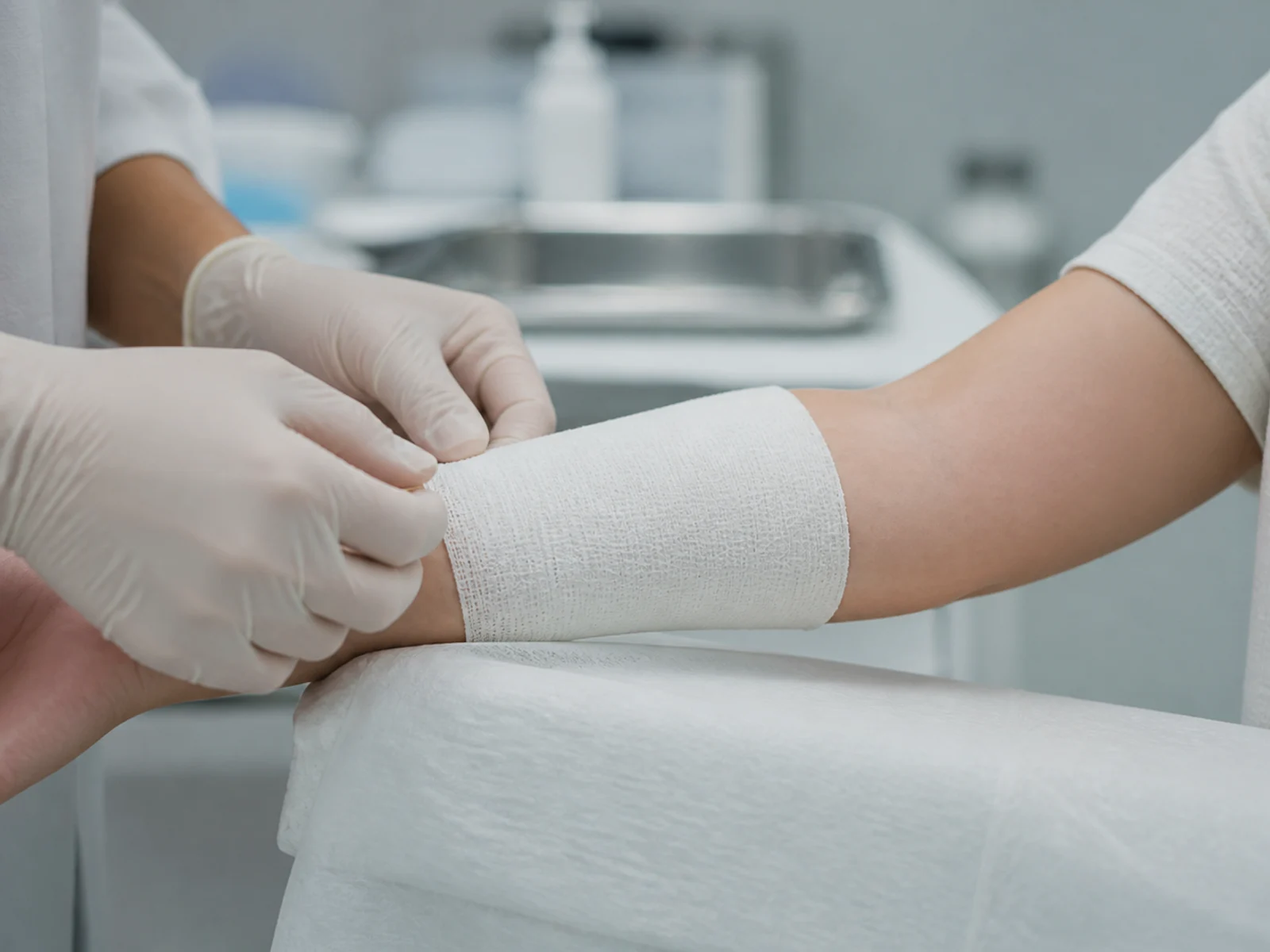
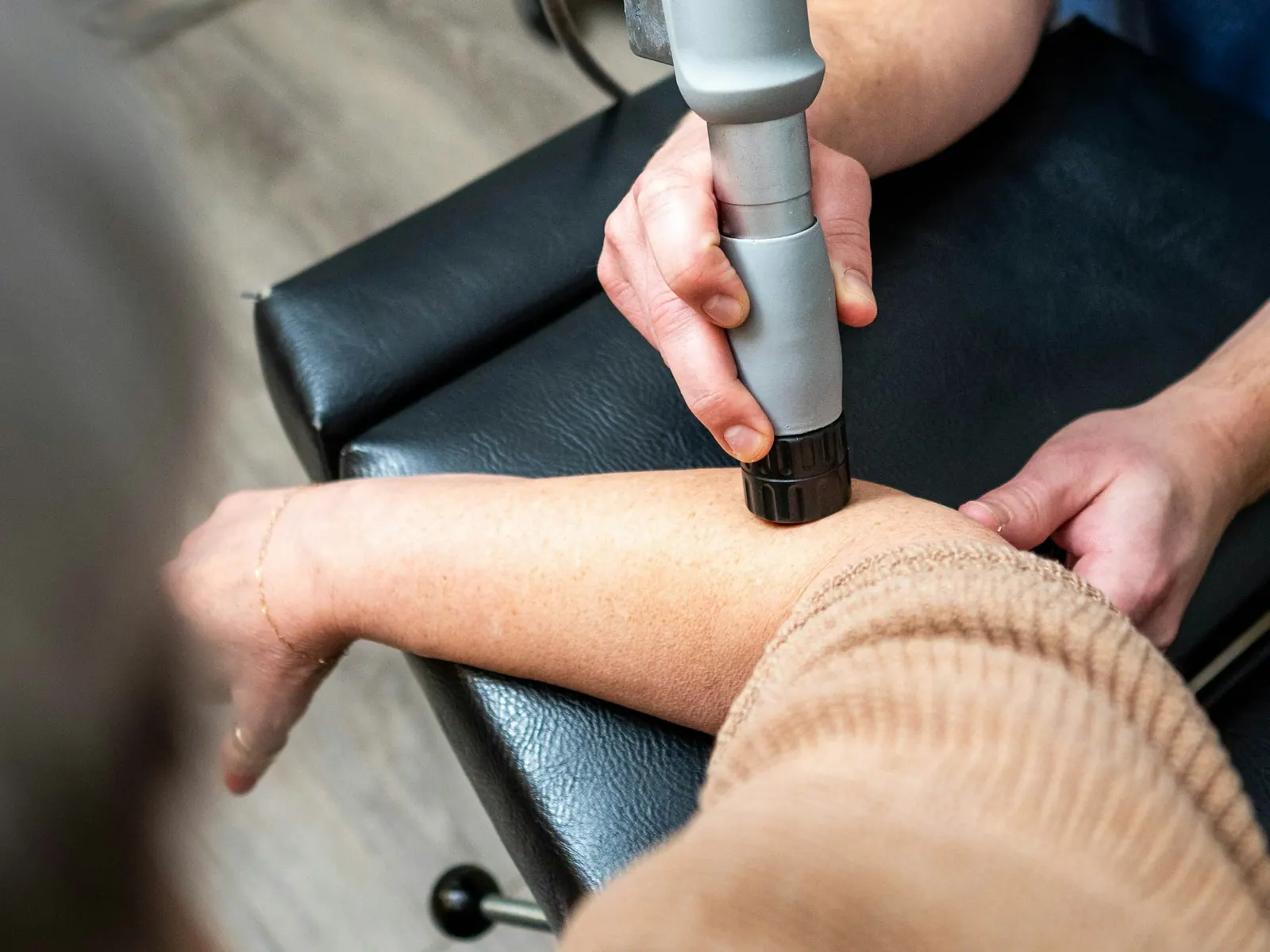
Clinical rehabilitation treatment applied to a patient’s arm

Evaluating the claim

Measure losses before considering resolution

An injury claim involves more than proving that two vehicles collided. If your medical records describe limitations that kept you from working, we connect those documented effects with wage information and the crash evidence. We examine disputed charges, claimed income losses and unresolved injury-related needs before assessing an offer. This helps us distinguish a settlement supported by the available evidence from one that leaves significant parts of your losses unaddressed.

InvestigatingYour Claim

Several details can change who is responsible, which coverage applies and whether an offer addresses the full supported claim.

Cars moving through a signalized urban intersection

Trip timestamps must match the crash timeline

A receipt alone may not explain whether the driver had accepted a request when the collision occurred. We seek relevant app and trip data and compare it with reports, footage and scene timing. If those records conflict, we investigate the discrepancy rather than choosing the most convenient timestamp. A reliable timeline gives us a factual basis for addressing coverage denials and deciding which insurers should receive the claim.

Transit bus operating on a city street

Vehicle movement can reveal more than one responsible party

If a rideshare vehicle stops for pickup and another driver strikes it, responsibility depends on how both vehicles moved and what each driver could see. We examine camera footage, scene evidence, roadway conditions and relevant driver and vehicle records. We also assess whether evidence supports pursuing a vehicle owner or platform entity; a connection to the ride alone is not enough. This review guides which parties belong in the claim.

Case records and a pen arranged on a desk for review

Separate policies may present separate disputes

The rideshare driver, another driver and a vehicle owner may have different policies, exclusions and coverage positions. We identify available insurance materials and examine how each policy relates to the crash facts. When an insurer disputes coverage, we evaluate its stated reason against the evidence. This helps us decide whether to challenge that position, pursue another coverage avenue or investigate missing facts before recommending a settlement.

Clinical rehabilitation treatment applied to a patient’s arm

Income loss needs a defensible connection to the injury

A self-employed passenger may lose assignments without a standard wage statement showing the difference. We examine earnings history, canceled work and medically documented restrictions to assess the claimed loss. Medical expenses and other documented injury effects also need a clear connection to the collision. Testing those connections helps us support the demand, address insurer objections and evaluate whether an offer accounts for losses that can reasonably be established.

Texas injury law is fact-specific, and a federal rule or another state's law may also apply. This page provides general information, not legal advice or a conclusion about any claim.

Terms You May Hear

Texas Rideshare Accidents (Uber and Lyft) Terms

These terms help explain the evidence and coverage questions we address in a rideshare injury claim.

Cars moving through a signalized urban intersection

Information showing when a driver logged in, accepted a request or ended a trip. Comparing these timestamps with crash evidence can resolve disagreements about which phase of rideshare activity applied.

Trip status

The driver's recorded position in the rideshare process, such as waiting for a request, traveling to a pickup or carrying a passenger. We investigate this because available coverage may change with that status.

Coverage dispute

A question about whether an insurance policy applies to the driver, vehicle or crash circumstances. We examine policy materials and the insurer's explanation to decide what evidence or challenge is needed.

Shared responsibility

An allegation that more than one person's conduct contributed to the collision. We test each allegation against vehicle movement, footage and other evidence because it can affect claim value and strategy.

Documented damages

Losses supported by evidence, including medical expenses, missed earnings and injury effects reflected in records. We connect these losses to the collision so the claim rests on more than an estimated total.

Settlement offer

A proposed agreement to resolve a claim in exchange for payment. We examine the amount and release language because accepting it may close claims that still involve disputed losses or other parties.

How WePursue Your Claim

Our work moves from preserving the crash evidence to deciding how to pursue a supported claim.

Discuss Your Situation
  1. Discuss the collision and injury

    We begin with your role in the collision, the ride's status and the injury effects documented so far. This identifies immediate evidence concerns and allows us to review potential deadlines before planning the investigation.

  2. Preserve time-sensitive evidence

    App data and camera footage may become unavailable while coverage questions remain unresolved. We take steps to preserve relevant evidence so later claim decisions are not forced to rely solely on conflicting recollections.

  3. Investigate the participants' conduct

    We compare vehicle movement, scene evidence and driver information to assess how the collision happened. Where several participants may share responsibility, that investigation helps us decide which allegations have support and which require further work.

  4. Examine insurance and coverage responses

    We identify policies potentially connected to the drivers, vehicles and trip status. Comparing policy materials with the established timeline helps us address coverage objections and determine where to pursue payment for the supported losses.

  5. Develop the loss presentation

    We evaluate medical records, expenses and income evidence in relation to the crash. Where a loss is disputed or incompletely supported, we investigate the gap before presenting a demand or assessing an insurer's valuation.

  6. Evaluate resolution and further action

    We review offers alongside responsibility disputes, coverage limits and documented losses. We explain unresolved issues and pursue negotiation or litigation as warranted by the evidence, rather than treating the first offer as the claim's endpoint.

One injury can raise more than one legal question.

A rideshare collision may also involve another passenger vehicle, a commercial truck or a pedestrian. We examine those overlapping circumstances to identify additional responsibility and coverage questions within your claim.

Explore Practice Areas

WhyInjury Attorney Near Me

Injury Attorney Near Me, PLLC is based in Houston and serves injured clients throughout Texas. Call (833) 700-6660 for a consultation about your rideshare collision. Representation is subject to an agreement; our review helps identify the issues your claim presents.

Focused On

Rideshare Accidents (Uber and Lyft)

Injury Attorney Near Me, PLLC is based in Houston and serves injury clients throughout Texas.

Connect the crash to the coverage

An insurer's answer may depend on what the driver was doing in the app. We connect trip timing, vehicle movement and policy language so coverage discussions address the actual crash rather than an incomplete description.

Evaluate offers against documented losses

An early offer may overlook missed work or medically documented limitations. We compare the proposed payment with supported losses and unresolved responsibility issues, helping you assess whether settlement or further pursuit better fits your claim.

Rideshare Accidents(Uber and Lyft)Questions

These practical issues can change how we investigate a rideshare injury claim.

Contact the Firm
Can I discuss a claim if I was riding in someone else's Uber or Lyft booking?

Yes. A booking made by another passenger does not prevent you from requesting a consultation. We examine how you were involved, who booked the ride and what trip information is available. Those details help us investigate your injury claim without assuming the account holder was the only passenger.

What if the app ended the trip before the collision?

An ended trip creates a timing question, not a complete answer about coverage. We compare the recorded end time with evidence of the collision and the driver's activity afterward. The result helps us assess whether rideshare-related coverage, personal coverage or another driver's insurance needs closer examination.

Does a police report blaming me end the claim?

A report is evidence we review, but we also examine the basis for its conclusions. If footage, vehicle damage or witness information conflicts with the report, we investigate that difference. This helps us evaluate a responsibility dispute rather than treating the report as the only account.

What if I was working when the rideshare crash happened?

Work-related travel may raise additional benefit or insurance questions alongside the roadway claim. We examine the purpose of the trip and available coverage without assuming your employer provides workers' compensation. Any overlapping claim or payment needs review before we assess settlement terms.

Can we pursue a claim if the other vehicle left the scene?

We investigate identifying evidence, including available camera footage, witness accounts and vehicle descriptions. We also examine potentially applicable uninsured-motorist coverage and its requirements. Whether the driver can be identified affects the options, but leaving the scene does not by itself resolve what coverage may be available.

What if I already accepted money for vehicle damage?

We review what the payment covered and any release you signed. A property-damage payment and an injury settlement may have different scopes, but the actual agreement matters. That review helps us determine whether an injury claim remains open and which issues still need investigation.