
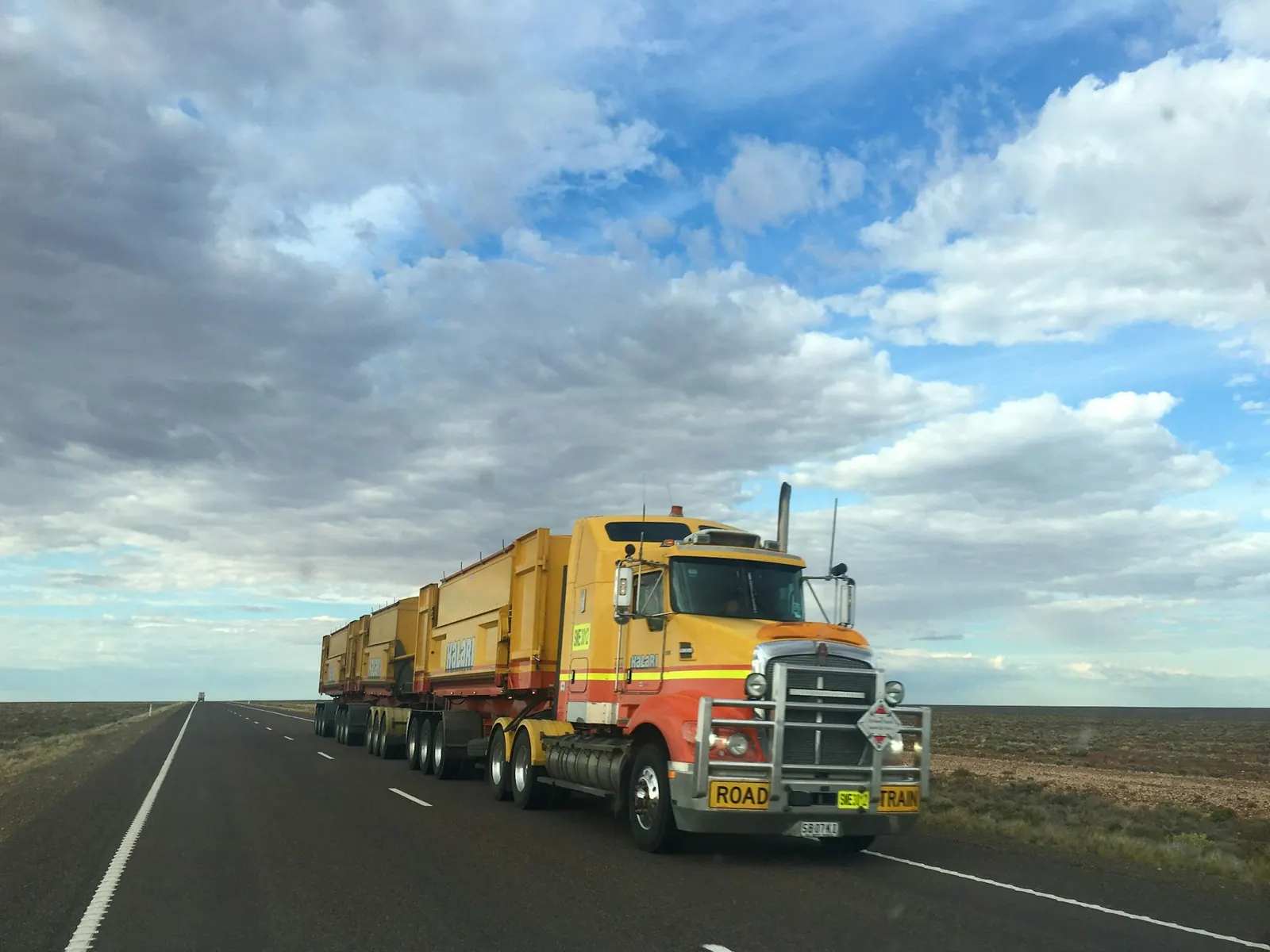
After a collision with a commercial truck, the name on the trailer may be the only company name you remember. It may not identify the driver’s employer, the tractor owner, or the business responsible for maintenance. That is one reason a truck accident investigation can require more than exchanging insurance cards. A useful starting point is to identify the truck accurately, preserve what you control, and find out who holds the rest.
Key Takeaways
- Photograph carrier markings and both vehicles’ identifying details when safe.
- Different companies may hold driving, maintenance, cargo, and camera records.
- A minimum record-retention period is not a deadline to wait for.
Start with the truck’s identity
Medical care and roadside safety come first. When it is safe, preserve photographs of the tractor, trailer, license plates, company markings, and visible USDOT number. Tractor and trailer numbers can be different. Keep the officer’s report number and any exchange-of-information sheet even if some of the business names are unfamiliar.
Do not assume a logo proves who is legally responsible. Treat names and numbers as leads that must be checked. A rental, lease, or transportation arrangement may put several businesses in the paperwork. Your job at this stage is to retain accurate identifiers, not decide which company should be sued.
- Date, approximate time, road, direction, and nearest exit or intersection.
- Tractor and trailer plates, unit numbers, and carrier markings.
- Witness contact information and locations of possible cameras.
- Police, towing, medical, and insurance reference numbers.
Match each question to a possible record
Start an evidence list with a question, then identify what might answer it. Was the truck changing lanes? Camera footage or an independent witness may help. Was fatigue a possible issue? Duty records and dispatch information may be relevant. Was a mechanical problem reported? Maintenance and inspection records may warrant review.
These are investigation leads, not findings that a violation occurred. Not every vehicle has every data source, and a record may be incomplete or need expert interpretation. A lawyer can narrow requests to the equipment, trip, and issues involved instead of relying on a generic demand for everything.
- Driving schedule: duty-status records, dispatch messages, and trip information.
- Vehicle condition: relevant inspections, repairs, and maintenance history.
- Movement near impact: available dashcam, telematics, or onboard event data.
- Cargo questions: available loading records and documents identifying the shipment.
- Injury and financial impact: treatment records, expenses, and work information.
Understand the six-month rule
FMCSA explains that, under 49 CFR 395.8(k)(1), motor carriers must retain required records of duty status and supporting documents for six months from receipt. This is a recordkeeping rule for the records it covers. It does not establish how long every camera system or vehicle device stores data, and it is not the deadline for filing a lawsuit.
Applicability and exemptions matter. A truck’s appearance alone does not establish which federal requirements apply to its operation. Ask an attorney to evaluate the carrier and trip, identify relevant records, and address preservation early. There is no benefit in treating a minimum retention period as an appointment to start investigating later.
Preservation should begin while the evidence may still exist.
Source: FMCSA: Retention of duty-status records and supporting documents
A preservation request needs specifics
A useful request identifies the incident clearly enough that the recipient can locate relevant material. That can include the crash date, location, involved units, driver if known, and the categories of records connected to the event. The proper recipients may extend beyond the insurer handling the claim.
A request to preserve records is different from obtaining them. It does not automatically grant access to a carrier’s systems, compel an immediate download, or prove that information was lost. Counsel can assess formal discovery, inspections, and court procedures where appropriate. Do not enter private property, contact systems under another person’s credentials, or attempt to remove a vehicle device yourself.
Preserve your own files just as carefully
Keep full original recordings, including the time before and after the impact. An edited clip may be convenient to watch, but it should not replace the original. Record who supplied each file and when you received it. If your own car has a dashcam, save its files before ordinary recording overwrites them.
Photograph damage before repairs when possible, without postponing necessary safety measures or accumulating avoidable storage charges. If an inspection may be needed, coordinate promptly with your attorney, insurer, and the storage facility. Keep repair and tow paperwork so the vehicle’s location and condition can be traced.
Use plain folder names: scene, vehicles, medical, work, and communications. Keep a short index of missing items. That makes a first conversation productive even if the police report is not yet available or you have not identified the carrier.
Use the police report as a starting point
TxDOT’s official crash-report service is one route for eligible people to request a Texas Peace Officer’s Crash Report. It can help organize names, vehicles, location, and the investigating agency. It will not necessarily contain every maintenance record, dispatch exchange, or private video relevant to the collision.
Bring the report, your photographs, and a list of unanswered questions to an individual case review. Ask who should receive preservation requests, whether a vehicle inspection is time-sensitive, and which filing or notice deadlines need attention. A truck accident case depends on evidence connecting conduct to the collision and injuries; the presence of a commercial vehicle alone does not establish liability.
Frequently Asked Questions
Does every truck have a “black box”?
No single device or dataset is universal. Available information depends on the tractor, installed systems, configuration, and whether data was retained. Identify the equipment first and have any technical conclusions evaluated by someone qualified to interpret it.
Can the trucking company’s insurer collect everything for me?
Its investigation serves its own claim-handling responsibilities. Do not assume it has identified every record holder or preserved every item relevant to your interests. Ask what is available and discuss independent preservation with your attorney.
What if the truck has already been repaired?
Tell your attorney when you learned of the repairs and where the truck was taken. Photographs, work orders, inspection documents, and retained data may still help. Repairs do not, by themselves, answer whether evidence was improperly lost.
This article provides general educational information about Texas law and is not legal or medical advice. The rules that apply depend on the facts, the parties, and the relevant dates. Reading this article or contacting the firm does not create an attorney-client relationship.